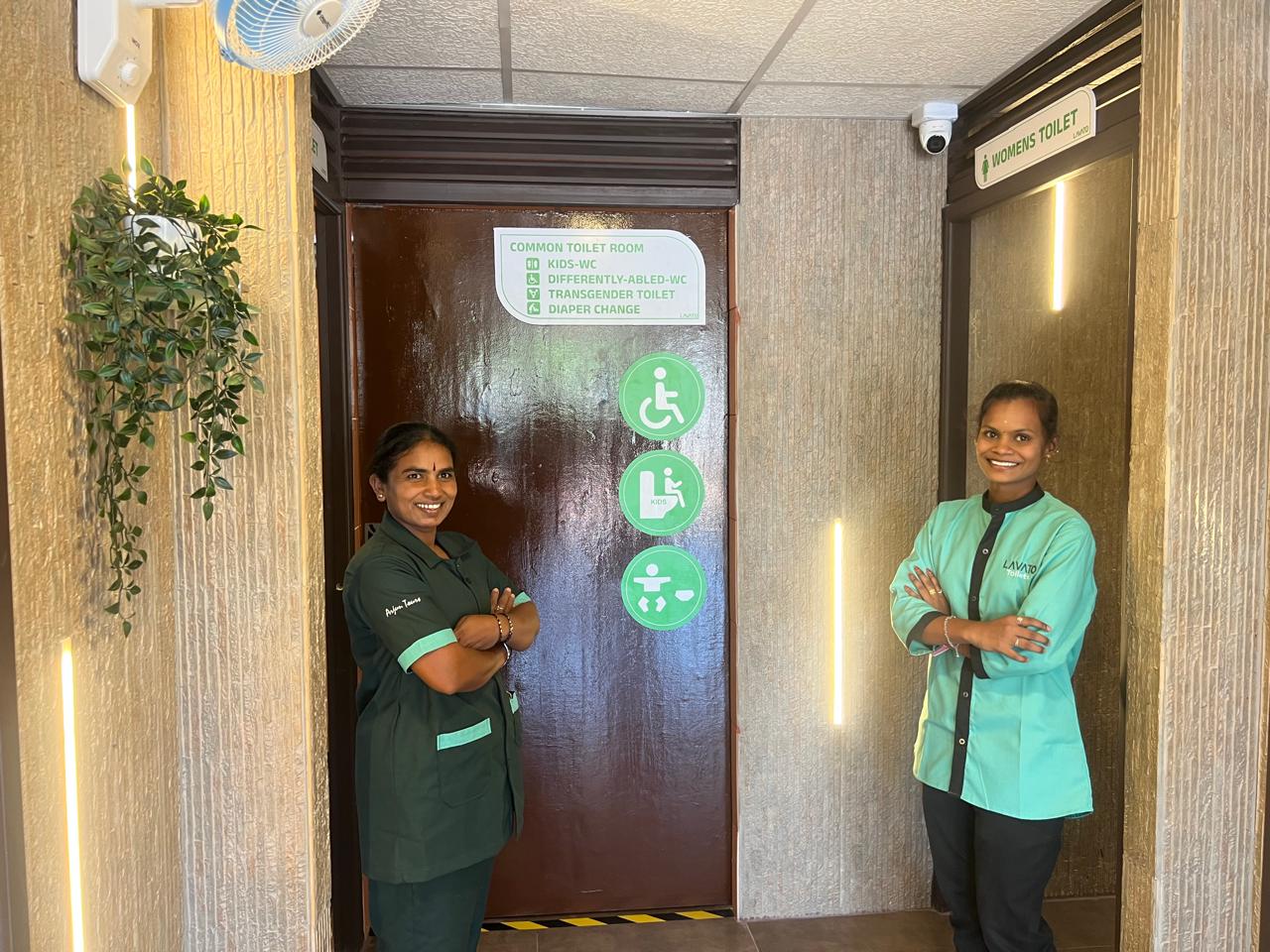
Bengaluru: The search for a clean, safe, and private washroom is a universal human necessity, yet for women traveling across India, it often becomes a harrowing logistical challenge. For decades, the lack of basic sanitation has been a silent barrier to tourism, forcing travelers to plan their journeys around hydration levels rather than heritage. In a country where millions of tourists traverse vast landscapes to witness architectural wonders, the absence of a simple, hygienic restroom is more than an inconvenience; it is a compromise on human dignity. Statistics indicate that India’s tourism sector, while contributing significantly to the GDP, has historically struggled with “last-mile” infrastructure. Reports on public sanitation suggest that a vast majority of public toilets in transit hubs fail basic hygiene standards, with women being disproportionately affected by the health risks and safety concerns associated with poorly maintained facilities.
The story of the transformation at Hampi—a UNESCO World Heritage site—begins with a moment of shared frustration that echoed the grievances of thousands. When a lady tourist and a member of the Raja Sabha visited the magnificent ruins, their experience was marred not by the lack of history, but by the lack of basic facilities. The bitter reality of finding no clean, hygienic toilets for either gender was promptly highlighted in the media, serving as the spark for a grassroots movement. It was this specific incident that prompted Mr.Ravi M of Arjun Tours and Travels, who is also the Founder member of Karnataka Tourism Forum (KTF), Karnataka Tourism Society (KTS), IATO, TAAI, and a dedicated advocate for traveler welfare, to take up the mantle and begin a long, arduous journey toward systemic change.
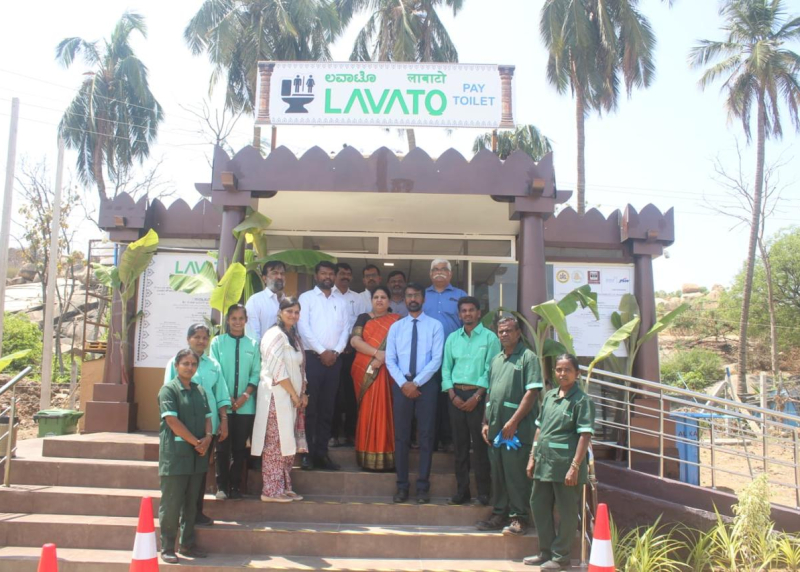
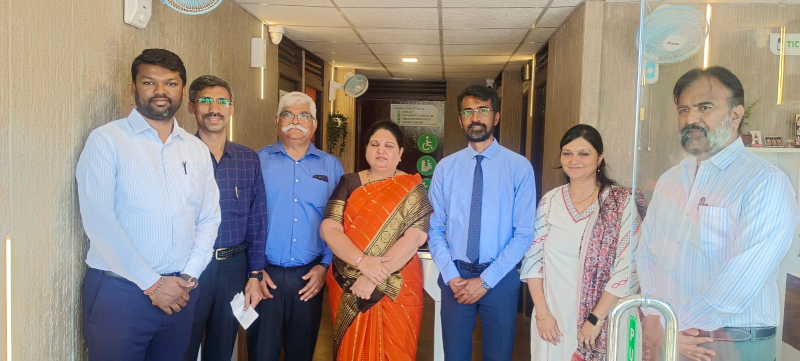
Present in the image: Ms.Kavitha Mallikeri IAS DC Vijayanagara, Mr. Vivek AC Vijayanagara, Mr. Ramesh Commissioner HWHAMA, Mr.Ganesh Hegde, Head HR & Admin, BMM isphat ltd, Mr. Ravi M along with others.
Ravi’s initiative started with a formal appeal to the Prime Minister’s Office (PMO). Recognizing that a single voice can be ignored but a collective cannot, he rallied a network of friends, particularly women, to flood the PMO with emails detailing the dire state of sanitation at Hampi. This digital crusade bore fruit when the PMO officially reverted, confirming that the concerned authorities had been directed to take action. This was the first victory in a long campaign to provide clean toilets for tourists across the most iconic landscapes of Karnataka.
The momentum shifted from digital appeals to high-level discussions when a meeting was convened at the office of the former State Tourism Minister, Mr. Anand Singh. Ravi attended this meeting, presenting the issue with the urgency it deserved. The Minister’s response was a turning point; he invited Ravi to Hampi during a conference attended by the Union Minister of Tourism. In 2023, the appeal for a modern “Pay & Use” facility was formally handed over. Ravi was not alone; he was backed by a coalition of travel agents and Mr. Naveen Singh, the CO of Lavato Toilets, who would eventually become the technical architect of the project.
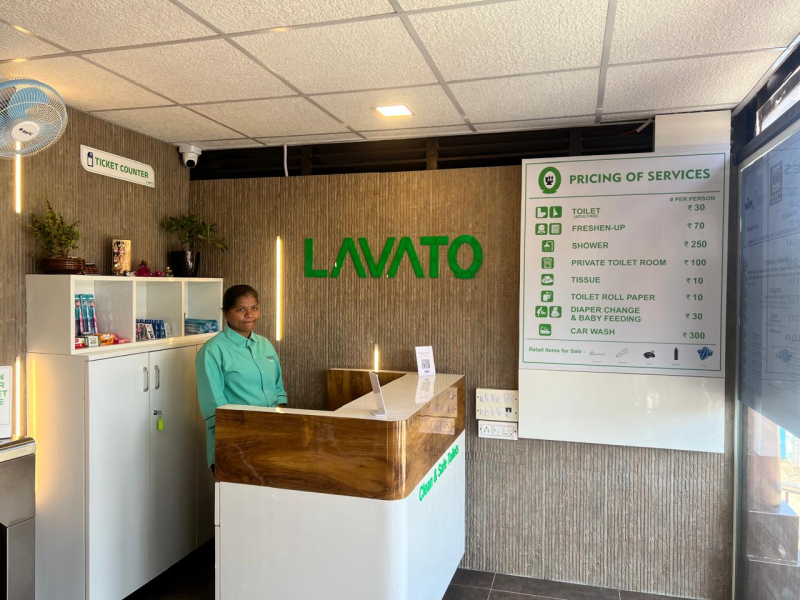
The road from a paper appeal to a physical structure was paved with bureaucratic hurdles and logistical challenges. Over the next three years, Mr. Naveen navigated the complexities of the Archaeological Department to secure the necessary land allotment within the sensitive heritage zone. The financial bridge was crossed when BMM stepped forward to fund the project under their Corporate Social Responsibility (CSR) initiative. Mr. Ravi also stood guarantee and borrowed a loan of 10 lakhs to start the project. This collaboration between private enterprise, government officials, and passionate citizens serves as a blueprint for how infrastructure can be revitalized in India.
“I am planning to get this pay & use toilets at all tourist destinations and see to it the tourists visiting Karnataka will not have any difficulty is looking for a clean, hygienic, toilets,” Ravi M says, emphasizing his commitment to scaling this model statewide. His vision extends beyond just the plumbing and the walls. At the Hampi site, the initiative included a green revolution. Recognizing that the parking area was a barren, sun-scorched stretch of land, a sapling-planting drive was initiated. The goal is to transform the site into a lush garden where travelers can find respite from the elements.
Ravi Menon notes the importance of a holistic experience, stating, “The whole parking place is barren. A beautiful garden with toilet as the tourists can sit comfortably relax in summer or winter.” This philosophy of “Sanitation through Beautification” ensures that the facilities are not just functional but are welcoming spaces that respect the visitor. The project, sponsored by Arjun Tours and Travels, has been a massive collaborative effort. Reflecting on the journey, Ravi says, “Thanks to Bangaluru Tourist Taxi Operators Association, Mr. Shivanna, Mr. Rajkumar, Mr. Ramesh for their support.”
READ ALSO: Discover Why Sector 144 Is Topping the List of Must Visit Restaurants in JP Nagar This Year
With the Hampi project now successfully launched on 20th March by Ms. Kavitha Mallikeri IAS, DC Vijayanagara, Mr. Vivek, AC Vijayanagara, Mr. Ramesh , Commissioner, HWHAMA and Mr. Ganesh Hegde, Head HR & Admin, BMM Isphat Ltd (CSR fund sponsor for building) is operational. The focus now shifts to the misty hills and coffee plantations of the Western Ghats. The mission to provide clean toilets for tourists is now targeting the popular circuits of Coorg, Chikmagalur, and Sakleshpur. These regions, known for their high footfall of nature lovers and trekkers, often leave visitors stranded when it comes to hygiene. The goal is to secure permissions from the Chief Minister, Deputy Chief Minister, and the Tourism Ministry to replicate the “Pay & Use” model across every major destination in the state.
The economic implications of this movement are significant. Tourism experts agree that better facilities lead to longer stay durations and higher repeat visitation rates. When a traveler knows they can find clean toilets for tourists in a remote corner of Karnataka, the psychological barrier to exploration is removed. For women travelers, this is a game-changer, moving the needle from “enduring” a trip to “enjoying” it.
The success at Hampi proves that when private players like Lavato Toilets and JSW work alongside civil society and the government, even the most ingrained infrastructure problems can be solved. The project stands as a testament to the power of a well-directed appeal and the persistence of individuals who refuse to accept mediocrity in public service. As Ravi Menon continues his push to bring clean toilets for tourists to every corner of Karnataka, the landscape of Indian tourism is being rewritten—one clean, hygienic restroom at a time.
READ ALSO: The Crunch Melt Evolution and Britannia 50-50’s Shift into Premium Snacking
The vision is clear: no tourist should have to choose between their health and their desire to see the world. By integrating high-quality sanitation with environmental care through gardening and tree planting, the initiative is setting a new standard. The request now lies with the state leadership to expedite the permissions required for Coorg and beyond. If the success of Hampi is any indication, the future of Karnataka tourism looks not only more beautiful but significantly more dignified for every traveler who walks its soil. Ensuring clean toilets for tourists is not just a luxury; it is the foundation of a world-class travel destination.
The project’s completion marks the end of a three-year struggle but the beginning of a new era. With the support of organizations like the Bengaluru Tourist Taxi Operators Association and the technical expertise of Lavato, the blueprint is ready. The call for clean toilets for tourists has evolved from a newspaper complaint into a tangible reality that will serve generations of travelers to come. As the saplings at Hampi grow into shade-giving trees, they will stand as symbols of a movement that started with an appeal and ended with a revolution in public hygiene.
The ultimate goal remains a Karnataka where every destination offers the same level of comfort and safety found in the world’s leading heritage sites. By prioritizing clean toilets for tourists, the state is making a bold statement about its values and its readiness to welcome the world with open arms and impeccable standards.