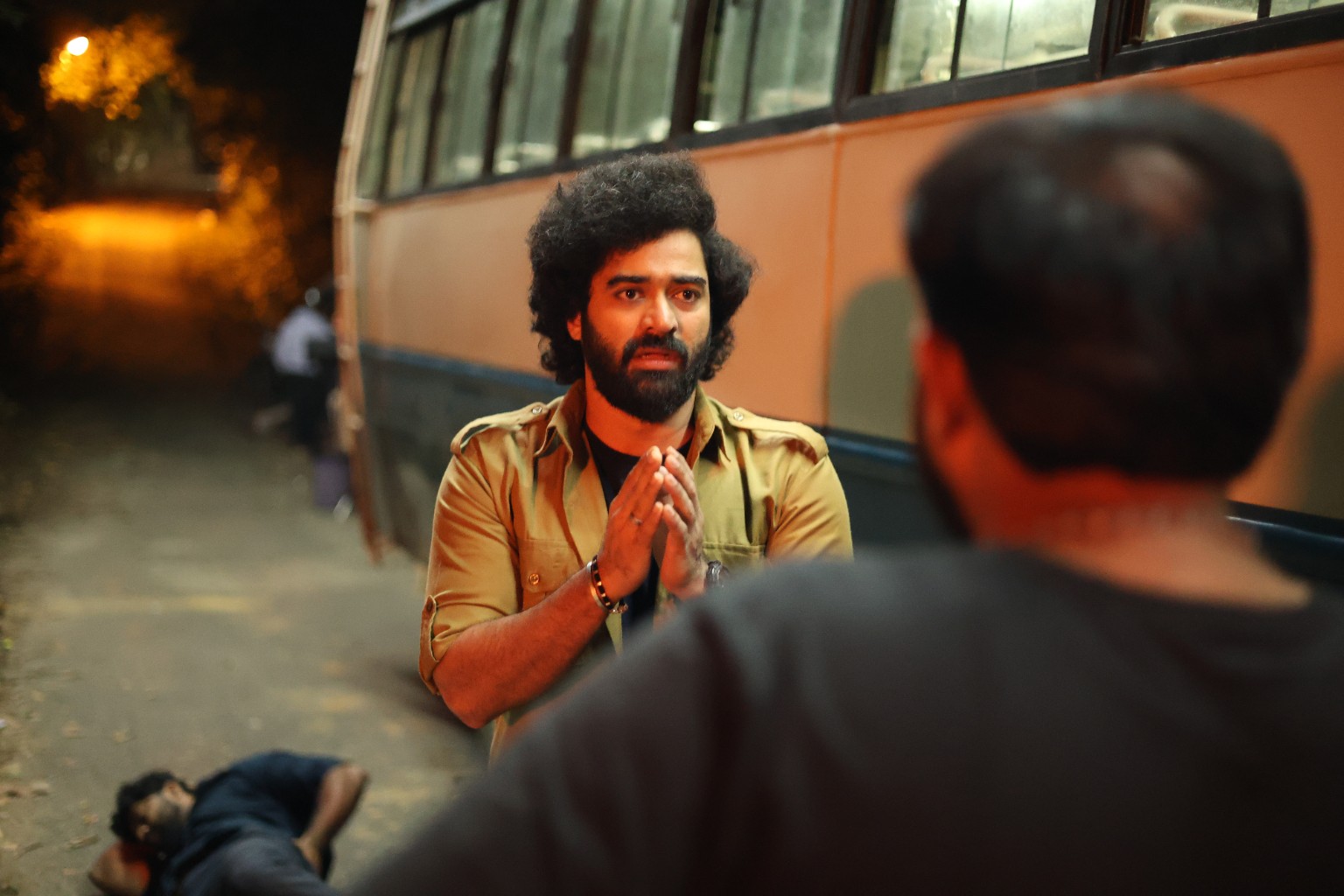
Before audiences knew his name, there was a terrace room in Banashankari. Before he could afford to wait for the right film, there was a kitchen on the street. As Shankarabharanna brings him into the frame as actor, writer and producer, Shine Shetty speaks about the independence he worked for—and what he intends to do with it.
There is a version of an actor’s journey that fits neatly into a few lines: a small-town beginning, a move to Bengaluru, television recognition, a reality-show victory, and then cinema. Shine Shetty’s story contains those milestones. What interests him more is what happened between them.
The room without a kitchen. The clothes kept in his car. The decision to walk away from a regular television income with no guarantee of a film. The idlis and dosas he sold while continuing to wait for an opportunity he could believe in.
These details explain something that fame alone cannot: how he earned the freedom to say no.
In conversation, Shetty is frank about the limits of recognition. Winning Bigg Boss Kannada meant audiences finally knew him by his own name. It did not mean the film industry immediately knew what to do with him. Nor, he says, did subsequent visibility always become substantial work.
With Shankarabharanna, he is taking a more direct role in shaping that next chapter. A story sparked by the sight of a private bus has become a film he has written, acted in and produced—a project that draws on the humour, connections and everyday lives of coastal Karnataka.
In this conversation with Balcony Stories, Shetty looks back at the choices that sustained him, explains why patience became his most useful education, and considers what it means to build an opportunity rather than simply wait for one.
Take us back to the Shine before television and public recognition. What did you want from life before you knew how to get there?
I always wanted to be an actor. But if we go back to the time before television, even before I began anchoring, I did not really have visibility into that world. I did not know how I would enter it or reach the place I am in today.
Personality-wise, though, I think I would have been the same. Whatever profession I entered, I felt I would do well there. At that age, one clear thought was that I wanted to earn good money. My sister had studied business management and was working in a bank. Looking at her, I thought perhaps I could work in a bank too.
There was also the idea of opening a restaurant, then growing that into more restaurants. So there was an interest in food, but also in business and building something. Whether I would have moved to Bengaluru, Mumbai or abroad, I cannot say. I did not have the whole future planned. I had the ambition.
When you think about first arriving in Bengaluru, which memory has stayed sharper than the rest?
The little room I lived in on a terrace in Banashankari. It was just one room. There was no kitchen, and the bathroom was outside on the terrace. Most of my luggage stayed in my car. We had to carry our own clothes for the serial shoots, so those would be in the car too.
That was my life when I first came to Bengaluru. I will never forget it because that is how I started. Even today, whether it is a big house or a small house, a small room or a big room, it does not matter much to me. I have lived through that beginning.
Leaving television meant giving up something that was already working. How did you make peace with the possibility that cinema might not work out?
For someone who does not have financial support from their family, or another business to depend on, leaving that comfort zone is difficult.
You have come from your hometown and started earning through serials. That income supports your life here. And it is not as though you are earning crores and building up enormous savings. You might have enough to manage for two or three months.
I knew that when I left television, I would not necessarily get a film immediately. It could take six months. It could take a year or longer. It might never happen. You do not know. I had prepared myself for all those possibilities.
That is why I keep saying, “When I quit television, I was prepared for the worst.” If you have already considered the possibility of not getting work, a difficult period does not automatically destroy your confidence. I was still clear that I wanted to become a film actor.
Bigg Boss Kannada brought you a great deal of affection. What did that recognition give you personally?
The biggest thing was that people got to know Shine Shetty. When I was doing television, I was Chandu or Madhava to the audience, depending on the character I was playing. They recognised the character. Also, when I first entered the industry, some people even questioned my name. They would say it should be more familiar, easier for people, more “mass”, or a Kannada name that audiences would immediately understand.
Bigg Boss changed that. People knew my name. Shine became my identity, rather than the name of a character I had played. There are always opinions about what you should do and how you should present yourself. But I also felt: why should I become exactly like everyone else? Why should I not have my own identity?
Read also: Medha Vidyabhushan on Music, Meaning and Her Journey Ahead
But being recognised and being offered the right work are different things. Where did the momentum fall short?
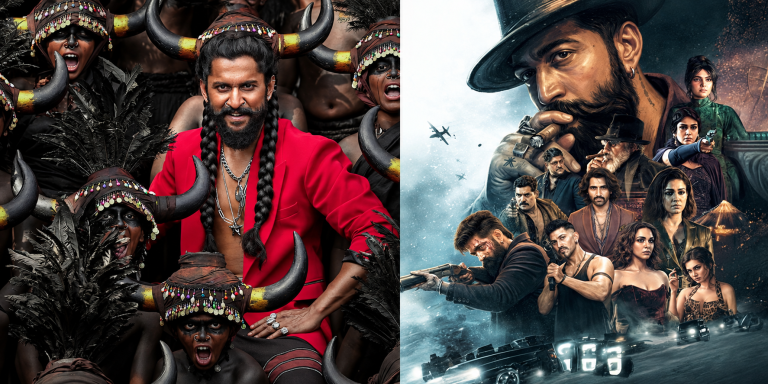
That recognition did not automatically turn into the kind of opportunities I wanted in cinema. James gave me some visibility as a film actor. Kantara gave me a good opportunity to be noticed more widely. But, opportunity-wise, it did not keep moving forward in the way you might expect.
There is also a difference in how people remember you across television, reality shows and films. With a serial, once you leave, your face gradually becomes less familiar because the audience is no longer seeing you regularly. A film and a memorable character can stay with people differently.
I was conscious of the choices I made. A film that does not work can also leave a mark, and then you have to build from there again. I was not in a rush to make money. I was looking for an opportunity where I could stand strong. I feel Shankarabharanna and Ranggasthala Studios are that opportunity now.
Where does Galli Kitchen fit into that journey? Was it simply a way to earn while you waited?
It was much more than that. I believe Galli Kitchen was a major reason I won Bigg Boss. People connected with the story behind it. I wanted to become a film actor, and I was continuing to work towards that. I had ended up selling idlis and dosas on the street, but I had not gone back to television.
I was still holding on to the same dream. That journey meant something to people. They understood why I was doing it. But Galli Kitchen also changed me as a person. It gave me experiences I would not have had otherwise, especially in dealing with people every day.
Viewers often responded to your patience on Bigg Boss. How much of that was learnt at the kitchen?
A lot of it. When you are working on the street and customers come to you every day, you have to deal with different kinds of people and their moods. Sometimes you have to handle their tantrums too. You cannot react to everything.
Over time, that builds patience. When I entered Bigg Boss, people were surprised by how calmly I responded to situations. Even Sudeep sir questioned whether I was naturally that calm or whether I was acting like a calm person inside the house.
But it was not acting. It came from experience. There were situations where people pushed me, but I did not want to break. The patience I had developed at Galli Kitchen helped me handle those moments. That was one of the best things the business gave me.
It also gave you the ability to refuse work. How important was that independence?
Very important. Galli Kitchen gave me the confidence to say, “No, I do not want this script. I want to do a better film.” If I had not had it, I might have been forced to accept whatever came my way. When you need work to sustain yourself, your choices become different.
Because I had Galli Kitchen, I had some support. I could wait. I could say no and continue looking for something I believed would be better for me. I am very thankful for that.
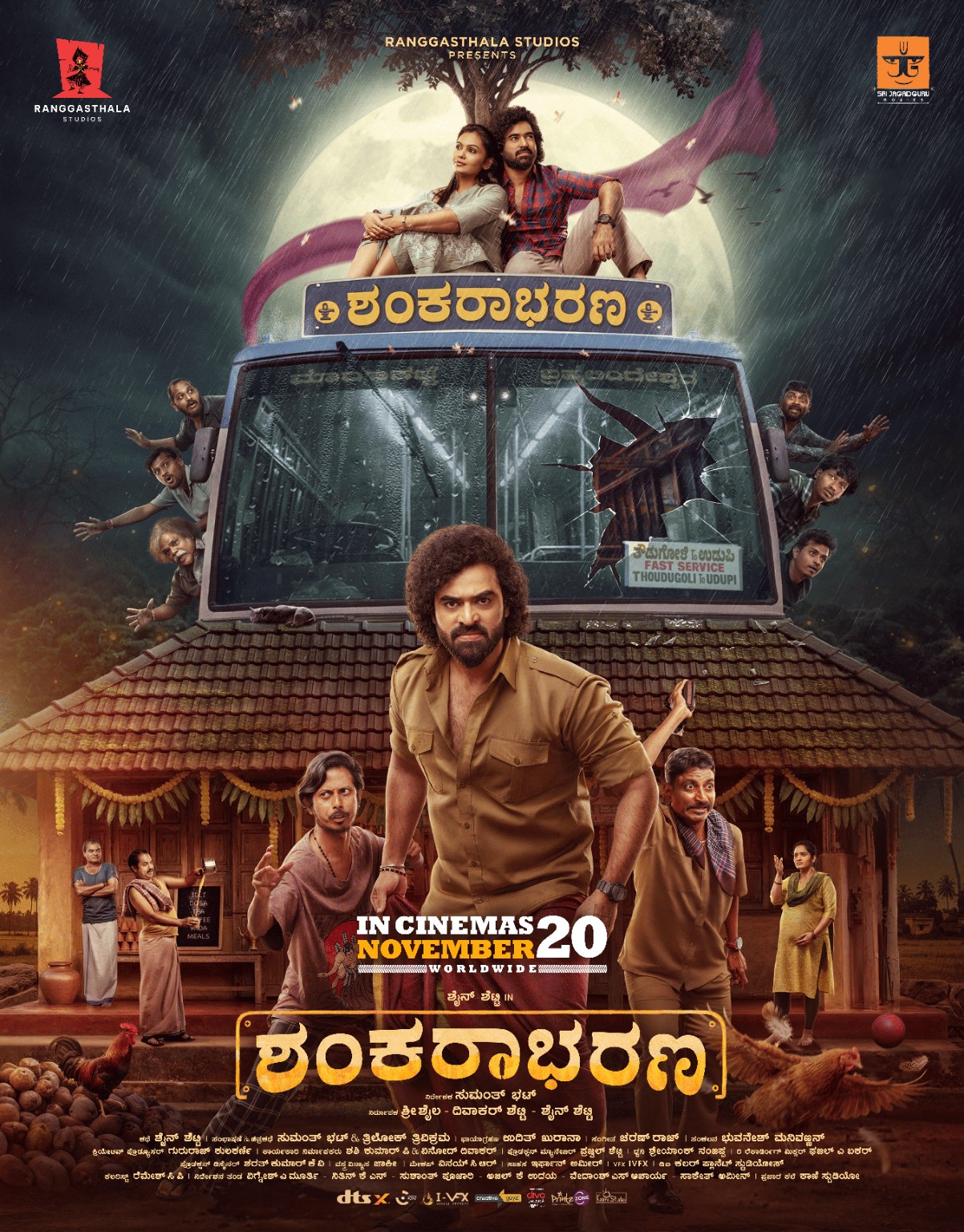
What was the first spark of Shankarabharanna?
I was working on Ekam, and there was a shot where a private bus came into a bus stand. The bus arrived, stopped, and I had to get into it. That was when I began thinking about a story around a bus. The coastal region, where I come from, buses are a familiar, famous and an important part of everybody’s life. But that alone was not enough. I had to think about what would make my story special. What else could there be in this bus? That is what audiences will discover when they watch the film.
What can you tell us about the man at the centre of that story?
He is a bus driver who is struggling to build his own life. He has desires and ambitions—many things he wants to do. He works for a large transport company, but there are clashes, including ego clashes, and he leaves. Then comes the question of how he is going to move forward. He finds an old, disused bus and starts again with it.
But the route he takes becomes challenging. Life keeps throwing difficulties at him. He enters a village that has had no bus connectivity for 25 years. The story follows what happens there and how he deals with those challenges.
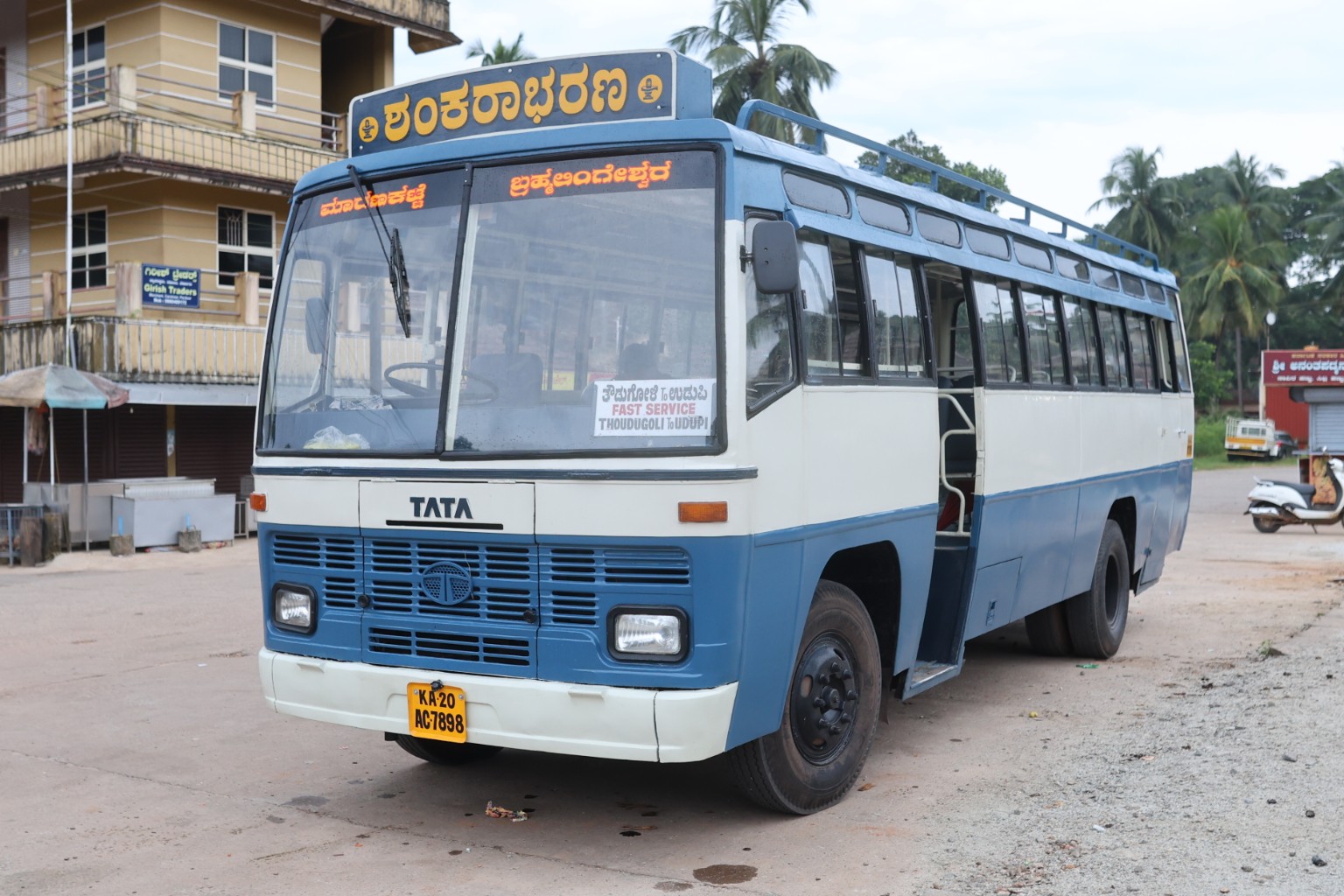
As actor, writer and producer, you were responsible for both the creative ambition and the means to fulfil it. Which role carried the greatest weight?
Because I was handling all three, I did not feel the same kind of conflict that might happen if they were three different people. I knew the story. I understood why it required certain things. Usually, a producer might look at a scene and say, “This will cost this much. Do we need it?” But here, I knew what the story needed, and I did not want to compromise on that. In a way, all three roles worked together.
But if I had to say which role won, I would probably choose the producer. I had to convince my partners and bring in the funds to do justice to what the film required. Whether it was a particular scene, a shooting day or another requirement, I had to make it possible. That was a responsibility I had to fulfil as a producer.
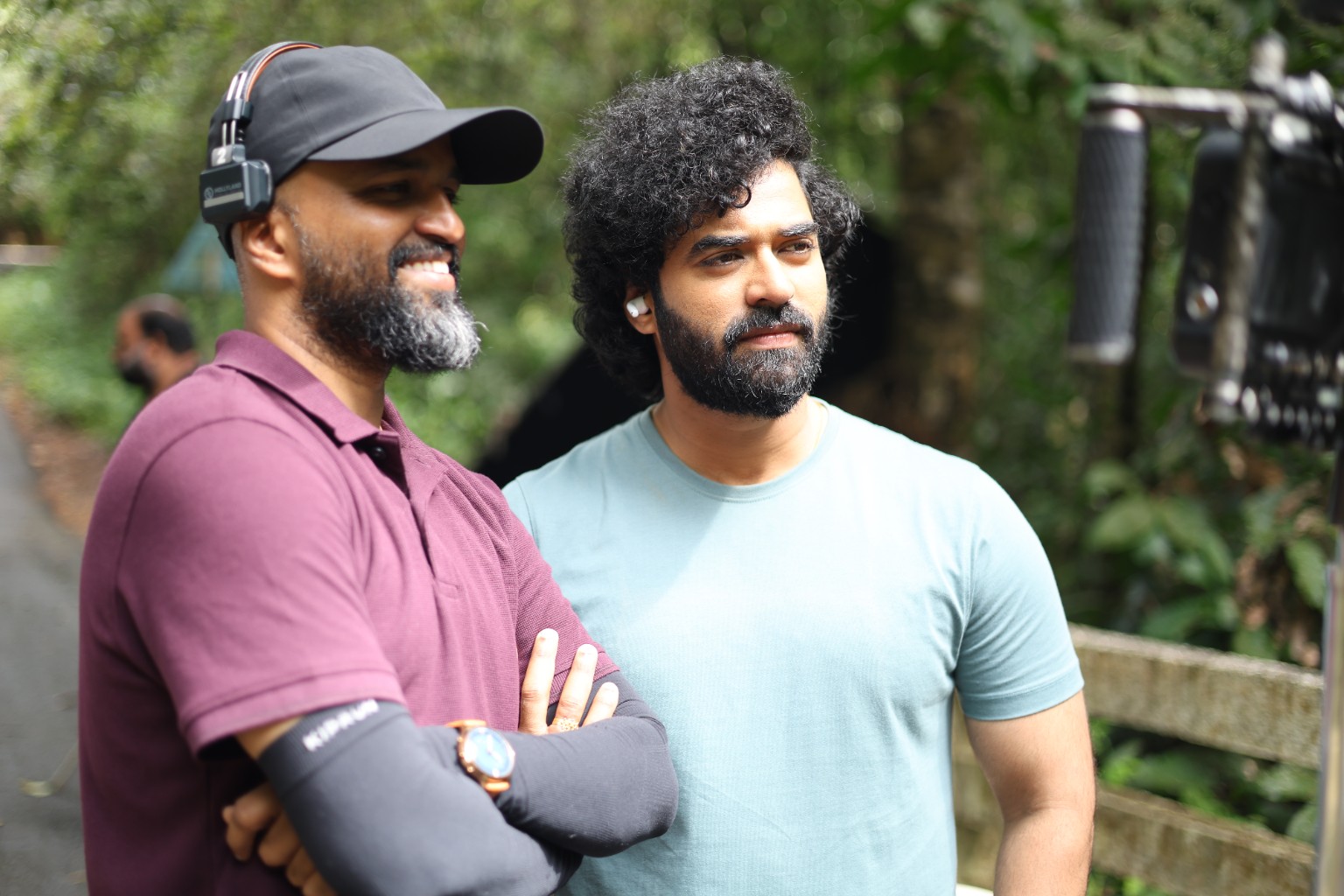
Coastal Karnataka has become increasingly visible on screen. What did you want to explore beyond the imagery audiences already associate with it?
I wanted to show what else we have beyond gods and beaches. The moment someone mentions coastal Karnataka, we think of the sea, beaches, temples, tiger dance and deities. Those are familiar parts of how the region is represented. But what are we as people beyond those elements? What else is there in our lives?
There is a lot of humour in coastal Karnataka. It is there in people’s words and in their body language. There is an inbuilt humour in the way people interact. We have brought that into the film. Then there are our private buses. They are an important means of transport for us. They have connected even very remote places and helped them develop. People can travel out of their villages, reach towns and cities, and pursue different opportunities. That is a part of the region we have tried to show.
In the film, that connection also seems to bring hidden truths to the surface.
Yes. When a village is very remote and cut off from the main towns and cities, there can be things that remain hidden. In our story, the bus becomes a means of revealing some of those truths and mysteries.
But it is not only about coastal Karnataka. When you watch the film, you will recognise that some of these things happen everywhere. There are situations in society that people from another city or even another country could relate to. I believe time brings out the truth. Things that have remained hidden eventually get revealed.
Read also: An Interview with Dr. Sarah Waheed on Recovering the Sovereign Legacy of Chand Bibi
As you build Ranggasthala Studios, what would convince you to back a filmmaker whose work you do not yet know?
Right now, I would not take that chance without understanding their work. Ranggasthala is a new production house, and I have to be careful about those decisions. For at least the next three films, I would want to work with filmmakers I know—people whose understanding of the craft I am familiar with, and who know how to present a story.
I am also learning. Until I understand more of the process myself, I would not want to make a blind commitment to someone completely new to me. If someone earns my trust, I would consider giving them the opportunity to shoot a pilot for two or three days. By then, we may have the resources to support that. It would allow me to see how they work and how well they can translate their script to the screen. I would want that understanding before moving ahead.
With so much depending on timing and opportunity, who sees the worried version of Shine?
I do not think anybody usually does. I am generally not worried. There are only two things that can happen: something will happen, or it will not happen. Why keep worrying about something that is not under your control?
After everything we have discussed about your hometown and the film, let us end with something personal. If you planned a day for someone visiting, where would you take them?
I would take them home. That would be the first place. Apart from that, for food, I would take them to Priyadarshini Hotel in Udupi or Latha Hotel in Kota. Those are my vegetarian recommendations.
What emerges from the conversation is an actor who understands the difference between public affection and professional certainty. Shetty values the recognition he has received, but he is equally clear about the work it took to keep choosing his own direction. Galli Kitchen gave him patience and the means to wait; Shankarabharanna gives him the responsibility of making that wait count. The ambitions are larger now, extending from performance to storytelling and production. Yet the answer to his final question is immediate and uncomplicated: to understand his world, he would first take you home.
Explore Shine Shetty’s work at Ranggasthala Studios.