

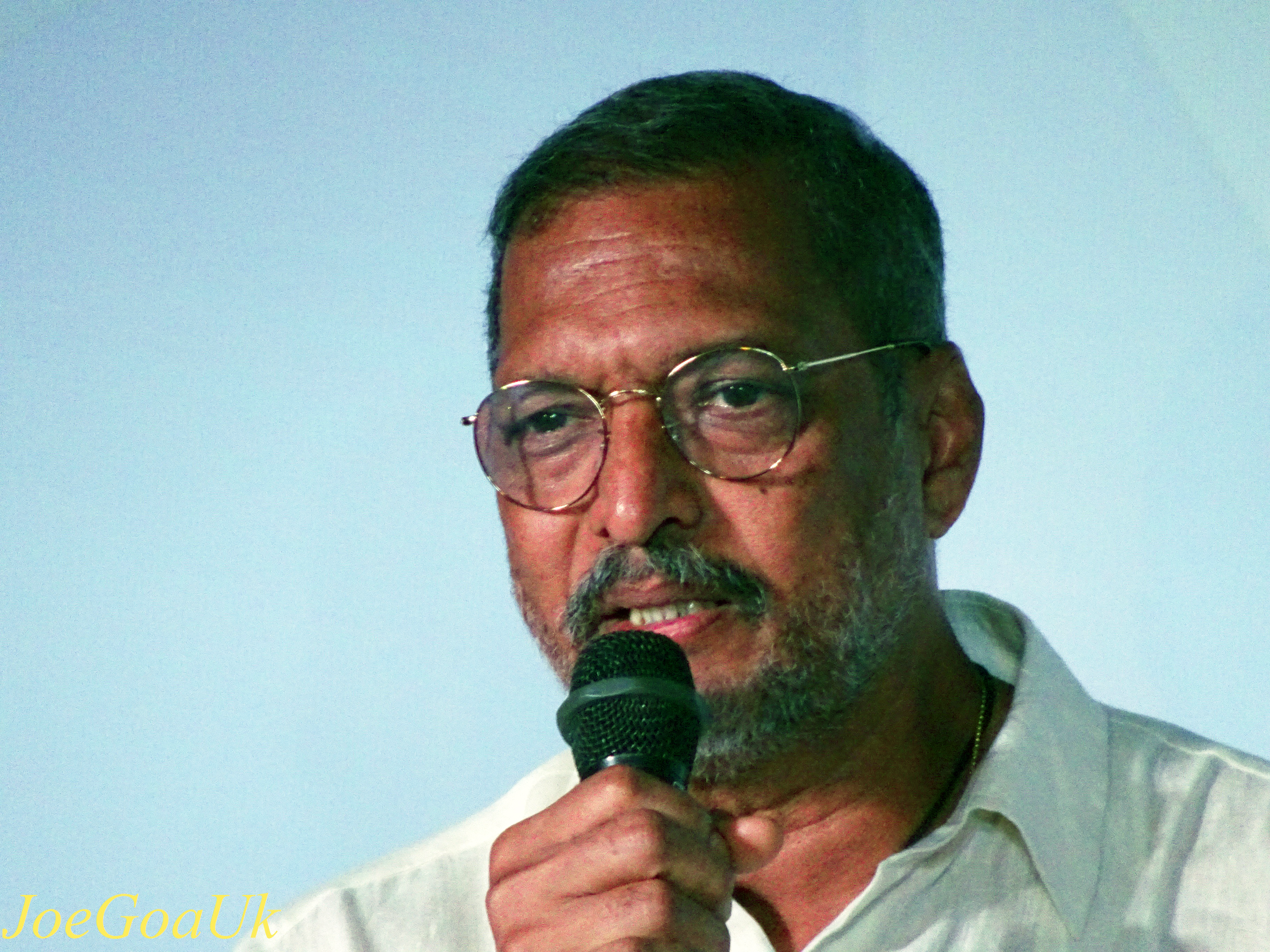
Some actors become so familiar that we stop looking at them closely. We know the voice. We recognise the expression before the dialogue arrives. We have watched the scene, saved the clip and sent it to a friend because, somehow, it says exactly what we are feeling.
Nana Patekar occupies that space for many of us. Somewhere in a group chat, Uday Shetty is still losing his patience. A plan has collapsed, somebody has said the wrong thing, and his expression captures the exhausting business of dealing with other people. We laugh because we recognise the feeling, even if our lives bear very little resemblance to his.
There is affection in that familiarity. But I want to look beyond it.
As we remember Patekar, I find myself thinking about how easily an entire career can shrink into a handful of scenes. The internet keeps the most immediately recognisable moments moving. A film asks us to stay longer. It gives an expression its circumstances, a speech its build-up and a character the space to surprise us.
That is the Nana Patekar watchlist I want to put together: one that begins with the face we know and gradually reveals how many different people he could become.
“Intense” is perhaps the easiest word to use for him. It is also a word that can stop us from looking further. His intensity could be threatening, funny, wounded or stubborn. Sometimes it lived in the voice. Sometimes it was in the discomfort of a pause. What interests me is how differently he could use that presence, and how much changes when we watch those performances beside one another.
I would begin with Welcome (2007). There is no reason to push the comedy aside in order to appreciate the actor. Uday Shetty is memorable because Patekar takes him seriously. Here is a man who wants order, respectability and a little cooperation, trapped in situations that offer him very little of any of those things.
His frustration is the pleasure of the character. He believes he should be able to manage what is happening around him, and the film keeps demonstrating otherwise. It is an oddly relatable feeling beneath all the absurdity.
Watching Welcome again also restores the people around him. A reaction clip belongs to a single face; a comic scene belongs to an exchange. The interruption matters. The reply matters. So does the moment when someone realises that a conversation is heading somewhere they absolutely did not intend. I want to return to those complete scenes and enjoy the rhythm that makes Uday so funny.
Then I would watch Parinda (1989), and allow that familiarity to become uncomfortable.
As the gangster Anna, Patekar gives authority a darker meaning. Placed beside Welcome, the performance makes his range particularly striking. The same actor who makes control slipping away so entertaining can make the possibility of control feel frightening.
What draws me towards Parinda is that change in atmosphere. A dangerous character affects how we watch everybody else. We become alert to their caution, their reactions and the things they choose not to say. The performance extends beyond the person at the centre of the scene; it changes the air around him.
This is why I enjoy revisiting an actor’s work across genres. It unsettles the convenient version of them I carry in my head. I recognise the face, but I have to reconsider what it makes me feel.
Krantiveer (1994) would come next. It is one of the essential Nana Patekar movies, and one whose familiarity presents its own challenge. We remember the force of his delivery as Pratap Narayan Tilak. We know there are speeches waiting for us. The temptation is to move straight towards them.
But I would rather spend time with the film before those moments arrive.
A speech begins long before someone opens their mouth. It begins with what has happened, what has been witnessed and what can no longer be tolerated. When we encounter a powerful scene on its own, we receive the emotion without always understanding its accumulation.
I want to give Krantiveer that accumulation again. To watch the character between the declarations. To consider how the film arrives at its anger, and what that anger is asking of the audience. Patekar’s delivery is an important part of the experience, but it becomes richer when we let the story surround it.
With Prahaar: The Final Attack (1991), the watchlist moves towards another side of him. Patekar directed the film as well as playing Major Chauhan, which makes it an opportunity to consider the concerns he chose to put on screen.
Here, the questions behind the performance interest me. What happens when a belief in discipline meets a world that does not share it? How does conviction shape a person’s relationships? What does someone do when the principles that organise their life fail to organise the lives of others?
An actor’s career is made of choices as much as characters. Prahaar allows us to look at both. It brings a different texture to this retrospective, giving us the filmmaker alongside the performer.
Then I would turn to Khamoshi: The Musical (1996), perhaps the film I would most want someone to see if they knew Patekar mainly for his voice.
As Joseph, a deaf father, he shifts our attention towards expression, gesture and the difficult emotional exchanges within a family. We cannot simply wait for the commanding line. We have to look more carefully.
I am drawn to that change in how we watch him. It creates room for vulnerability and for feelings that do not resolve themselves neatly. A parent can love a child and still be frightened by that child’s independence. Affection can exist alongside resistance. Wanting to protect someone does not mean understanding what they need.
Those contradictions make family dramas worth returning to. They also broaden our sense of an actor so often associated with certainty and force. Khamoshi belongs in this watchlist because it invites a quieter kind of attention.
I would give that film a little space before moving on. A retrospective need not become a race through titles. Sometimes the most rewarding part is what stays with us after the screen goes dark.
Agni Sakshi (1996) brings a more disturbing character into the conversation. Patekar plays an abusive husband, and the performance asks us to confront a presence that is controlling and deeply unsettling.
Including it is important to a consideration of his range. A watchlist should make room for characters we find difficult to watch, as well as those whose company we enjoy. There is a difference between appreciating a performance and feeling affection for the person being portrayed.
It also reminds me to be more precise with that word, “intense”. A father’s fear, a gangster’s threat and an abusive husband’s control are different emotional worlds. Watching these films together helps us recognise those differences. We begin to see the choices within the performances, rather than assigning the actor a single quality and leaving it there.
And then I would finish with Natsamrat (2016).
As Ganpatrao “Appa” Belwalkar, a retired stage actor, Patekar takes us into a life deeply entangled with performance. It feels like the right place to arrive after the comedy, menace and anger: with a character confronting who he is when the stage no longer supplies the answer.
There is something especially affecting about watching an actor play another actor. We become conscious of the layers—the person performing, the character who has spent a lifetime performing, and the audience trying to understand them both.
For viewers who know Patekar chiefly through Hindi cinema, Natsamrat is also an invitation into his Marathi work. I would want that invitation to lead further. One film can open the door, but there is more to discover beyond it.
These seven films are where I would begin. I would choose one, check its current availability and give it an uninterrupted evening. I would let the familiar scenes arrive in their own time.
Because that is what I want from revisiting a career: the chance to notice something I missed. A hesitation beneath a forceful reply. A vulnerability I had forgotten. The seriousness that makes a comic character so wonderfully funny.
The memes will continue, and there is warmth in that. They allow a performance to become part of our everyday language. But they can also send us back to the work, where an actor has room to be complicated.
Somewhere, Uday Shetty will lose his patience again. I will probably laugh when he appears on my screen. Then I want to stay a little longer with the actor behind the expression.
Cover photograph: Nana Patekar at IFFI Goa, 2017, by joegoaukiffi3, licensed under CC BY-SA 2.0. Photograph used unchanged.



,_at_IFFI_Goa,_2017.jpg)