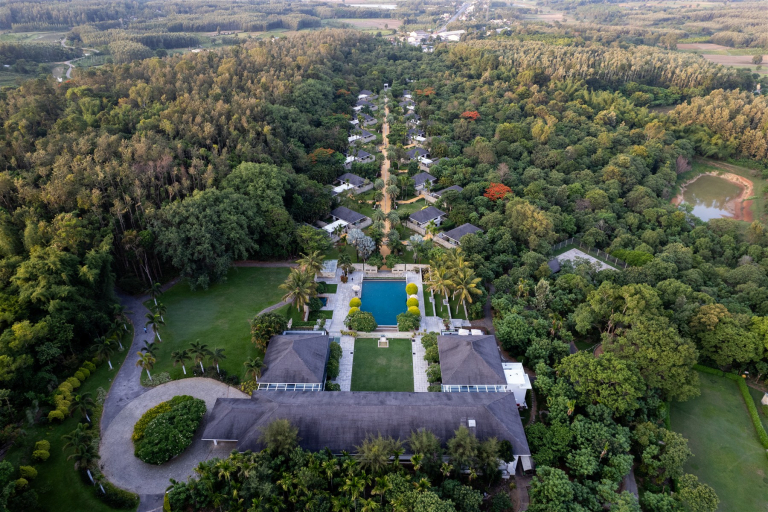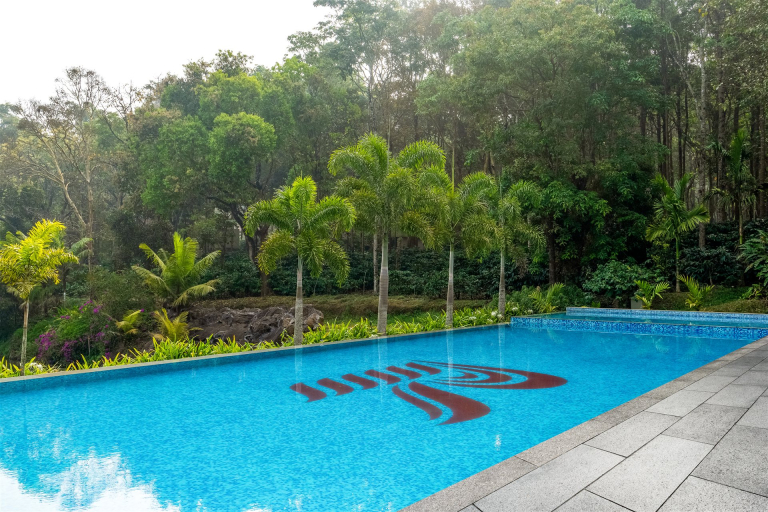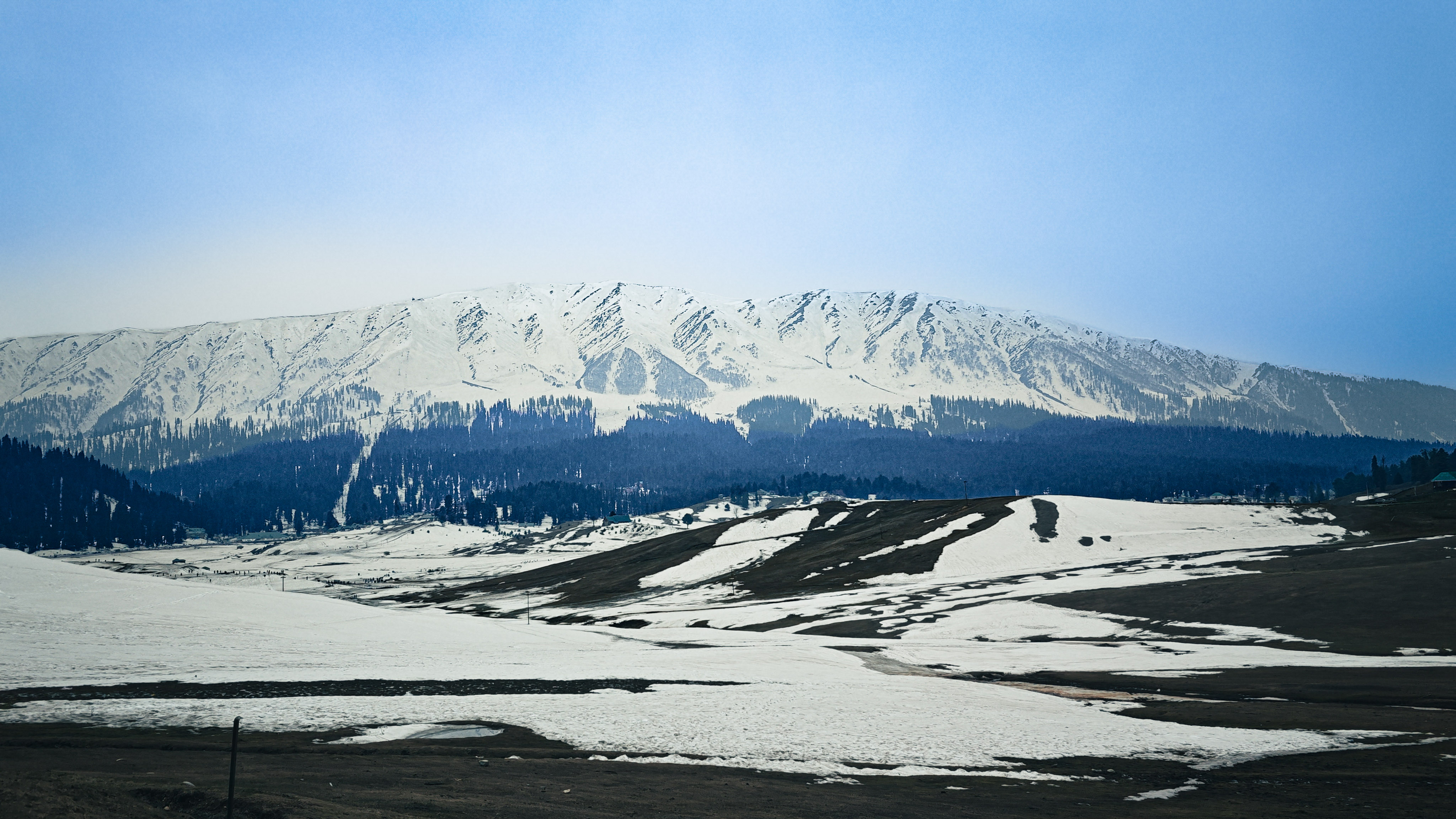
Bengaluru: There is a small window in India when the rains have done most of the hard work, but the peak-season crowds have not yet arrived to enjoy the results. The hills are still intensely green, rivers and waterfalls are fuller, fields look freshly washed, and many destinations have not yet entered their expensive winter phase. September, along with the first few weeks of October in some parts of the country, sits right inside this sweet spot. For travellers looking for the best post-monsoon destinations in India, this may actually be a more rewarding time to travel than conventional peak season.
It may not offer the guaranteed blue skies of December or the predictability of high season, but that is precisely what makes it interesting. Post-monsoon India is about landscapes in transition: full rivers, misty hills, freshly replenished lakes, flowering plateaus and destinations that have not yet been overtaken by holiday crowds.
Why the Best Post-Monsoon Destinations in India Deserve September
Travel in India has traditionally revolved around predictable calendars. Hill stations become summer escapes, Rajasthan is saved for winter, Goa fills up in December, and long weekends trigger a familiar rush towards the same destinations. But travelling just after the monsoon offers a completely different rhythm. Landscapes are still carrying the freshness of the rains, temperatures begin to soften, and there is a better chance of experiencing popular destinations before the crowds take over.
The best post-monsoon destinations in India are especially atmospheric at this time of year. A little mist, a passing shower or a cloudy afternoon can completely change a landscape. Instead of arriving when a destination is at its most manicured and predictable, you catch it somewhere between seasons.
Hampi, Karnataka: When the Ruins Turn Green
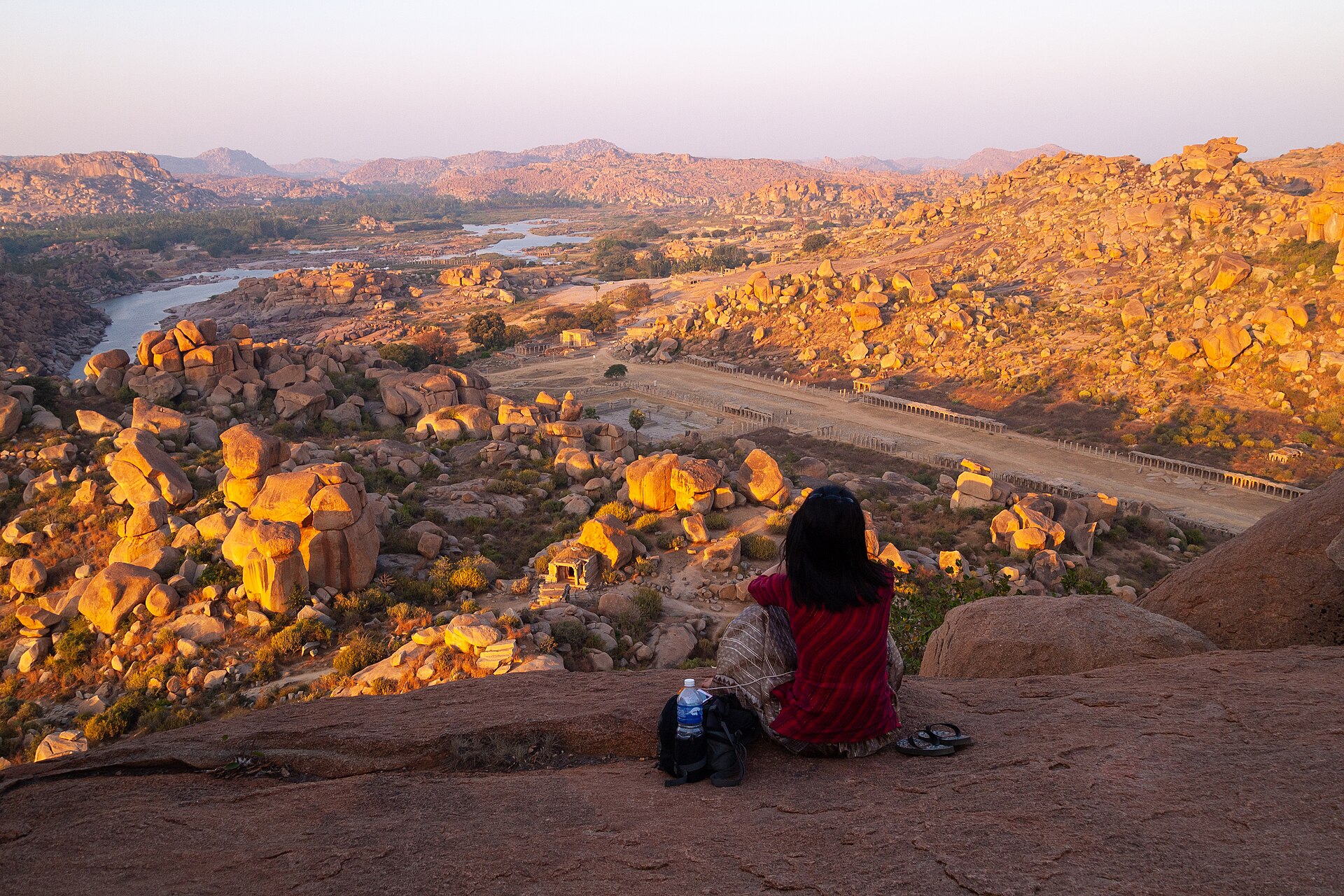
Among the best post-monsoon destinations in India, Hampi is one of the clearest examples of what the rains leave behind. The ruins themselves do not change, but everything around them does. Paddy fields become intensely green, palms break up the enormous boulder landscape and the Tungabhadra carries more water than it does during the dry months.
Start early and watch sunrise from Matanga Hill, wander through the temple complexes before the heat builds, and leave enough time to simply take in the landscape rather than rushing between monuments. The juxtaposition is part of Hampi’s appeal: ancient stone, giant granite formations and fields that suddenly look almost fluorescent after the rains.
Hampi at this time feels less like an archaeological site to be completed and more like a landscape to spend time inside. If it has been sitting on your “someday” list, post-monsoon season is a compelling reason to finally go.
Coorg, Karnataka: Mist, Coffee and Waterfalls
Coorg becomes almost excessively green after the monsoon. Coffee plants, pepper vines, forests and plantation roads are still carrying months of rain, while streams and waterfalls have considerably more personality than they often do later in the year.
This is not the trip for someone expecting uninterrupted sunshine. A shower may arrive halfway through lunch. Clouds can swallow the view from a hill just as you reach it. Your shoes may acquire a little mud.
That unpredictability is part of the charm.
Stay on a coffee estate rather than treating the trip as a race between tourist attractions. Walk through a plantation, eat Kodava food, spend an afternoon doing nothing particularly productive and stop for coffee far more frequently than necessary.
Coorg is at its best when you stop trying to finish it.
For travellers coming from Bengaluru, its relative accessibility also makes it one of the easiest post-monsoon weekend trips to plan without turning the journey itself into an expedition.
Read also: A Lost Route, A Found Paradise – My Stay at Timbertales, Coorg
Kaas Plateau, Maharashtra: The Few Weeks When the Hills Bloom
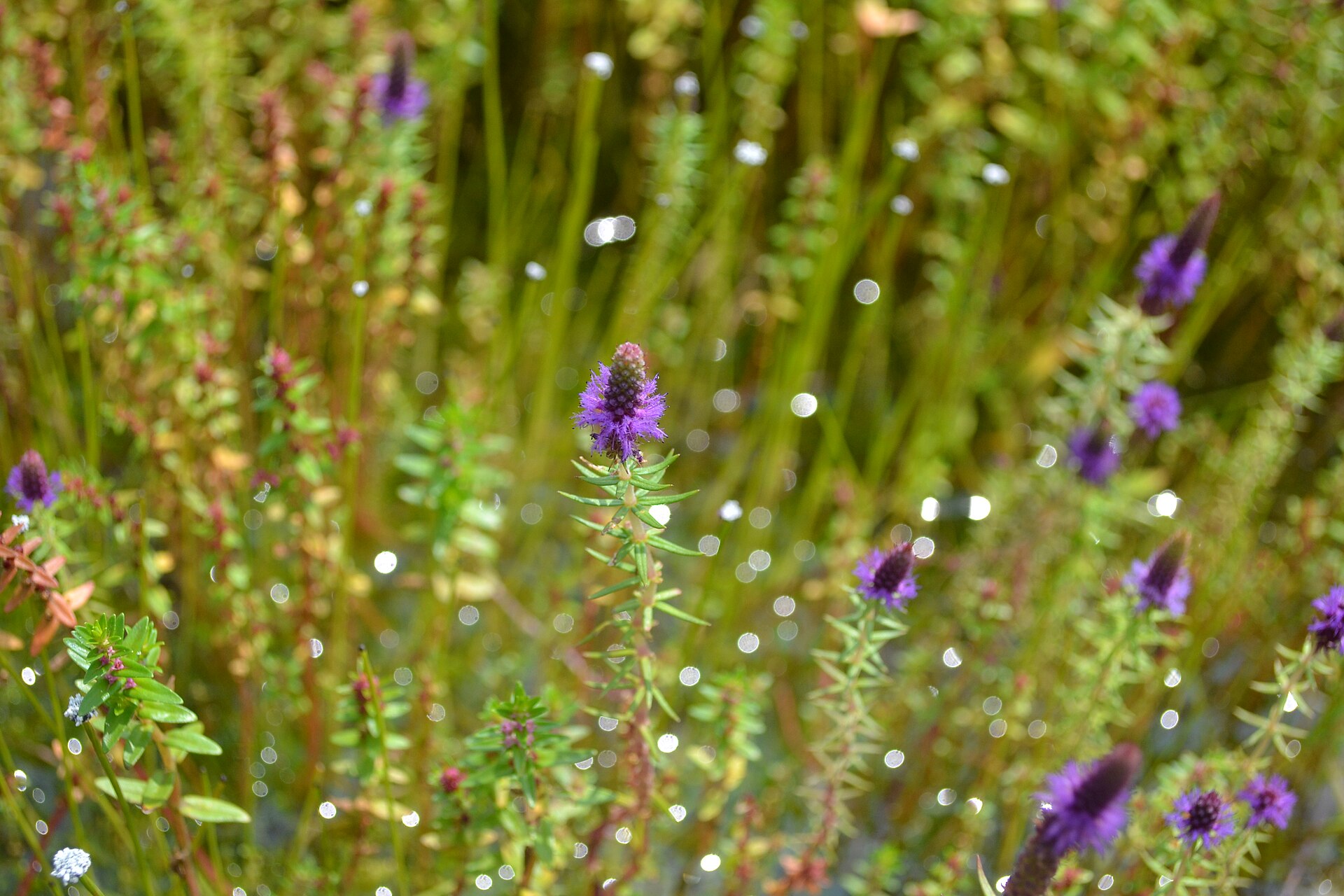
Then there are destinations where September is not simply a good time to visit. It is almost the reason to visit.
Kaas is one of the best post-monsoon destinations in India for seasonal colour. Maharashtra’s plateau near Satara transforms after the monsoon as seasonal wildflowers begin appearing across its grasslands. Different species bloom at different moments, producing patches of pink, yellow, purple and white across the plateau.
The experience feels special precisely because it is temporary. You cannot postpone it indefinitely and expect exactly the same landscape. The flowers follow their own calendar, making Kaas one of those rare trips where seasonality is the entire point.
That also means travelling responsibly matters more here than usual. Stay on permitted paths, follow visitor regulations and do not step into the flowers in pursuit of photographs. A destination does not remain beautiful for long if every visitor insists on physically entering the thing they came to admire.
Build a slightly longer trip around Satara rather than treating Kaas as a single photo stop. The surrounding Western Ghats are still lush, and waterfalls in the region continue to carry the visual drama of the rains.
Udaipur, Rajasthan: A Softer Side of the Desert State
Rajasthan is so strongly associated with winter travel that Udaipur in the weeks following the monsoon is easy to overlook.
That is a mistake.
Rain changes the visual language of the city. Lake Pichola and Fateh Sagar receive their seasonal replenishment, the surrounding Aravallis become greener and cloud-heavy skies create an entirely different atmosphere from the familiar winter version of Rajasthan.
The weather may still be warm and somewhat humid, but the trade-off is a city that feels softer and less predictable. Take a boat ride when conditions permit, wander slowly through the old city, visit the City Palace and head towards Sajjangarh in the late afternoon.
The Monsoon Palace feels particularly appropriate when the city below is still wearing evidence of the season it was built to observe.
There is also something satisfying about seeing Rajasthan before its busiest travel months arrive. The architecture remains just as beautiful. The lakes may look better. There are simply fewer people trying to take exactly the same photograph.
Ziro Valley, Arunachal Pradesh: Green Fields, Music and Mountain Air
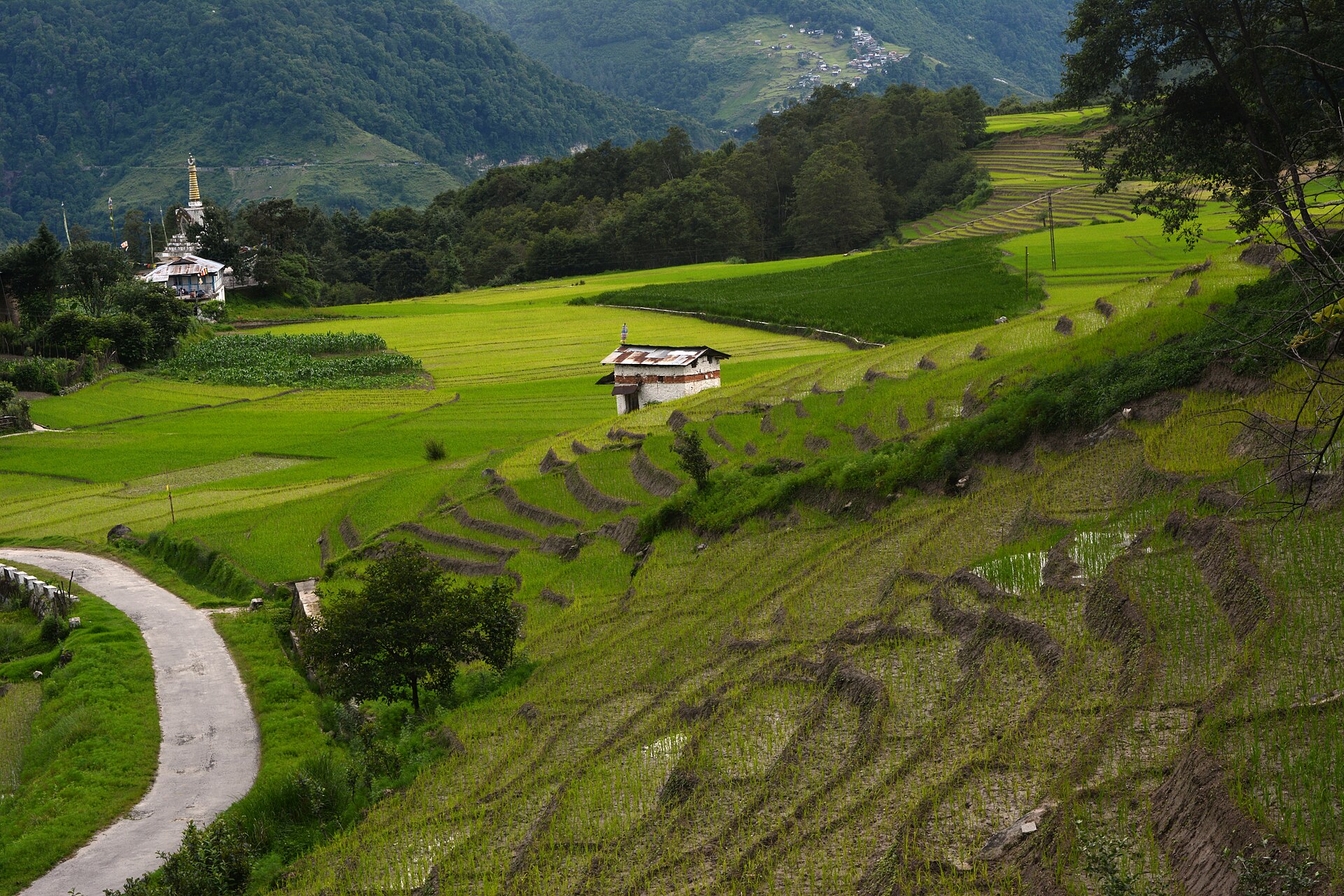
Ziro Valley may be one of September’s most compelling journeys.
Its paddy fields remain intensely green, pine-covered hills frame the valley and the landscape feels particularly alive before harvest. The region is also home to the Apatani community, whose relationship with the valley and its agricultural landscape gives Ziro much more depth than simply being another scenic hill destination.
September 2026 also brings the official Ziro Festival from September 24 to 27, combining independent music with the valley’s landscape and a strong emphasis on community and sustainability.
But going only for the festival and leaving immediately afterwards would miss much of the point.
Spend additional time walking or cycling through the valley, explore its villages and allow yourself to understand the agricultural landscape rather than treating it as scenery between performances.
Ziro requires more planning than a convenient weekend flight followed by a short cab ride. That is partly what makes it special. It still rewards travellers who make an effort to arrive.
Ladakh: After the Rush, Before the Cold
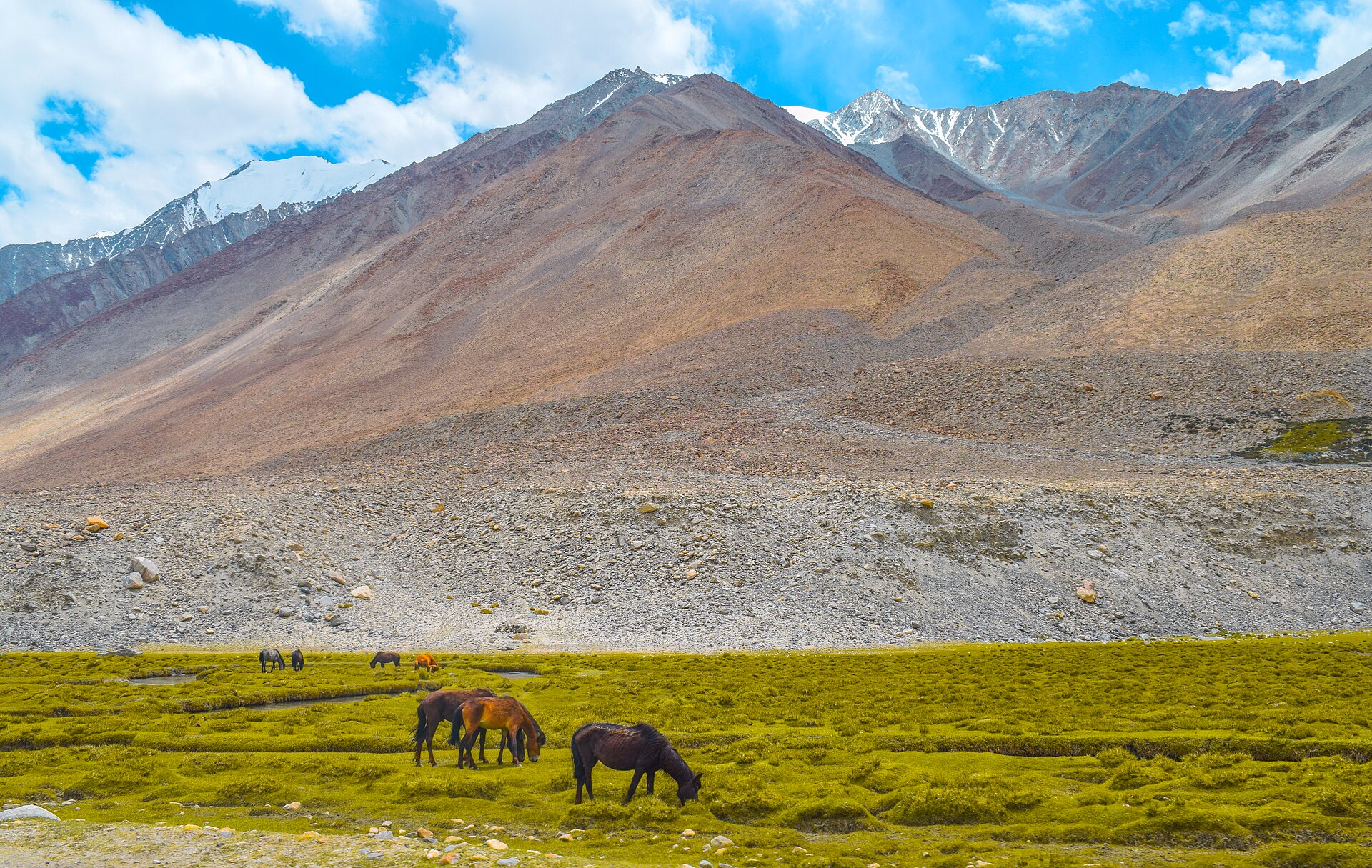
Ladakh offers almost the opposite version of post-monsoon India.
While much of the country remains green from the rains, Ladakh is enormous, stark and dramatically clear. September sits at an interesting seasonal intersection: summer travel is beginning to wind down, but the harsher conditions of winter have not yet taken over.
This is a good time to slow the itinerary rather than attempting to conquer every lake, pass and monastery in five days. Leh, Nubra, monasteries along the Indus Valley and longer trekking routes all benefit from having more breathing room built into the trip.
The most important advice remains the least glamorous: respect the altitude. Build acclimatisation into the itinerary, keep the first day gentle and do not arrive in Leh assuming enthusiasm can compensate for oxygen.
Srinagar, Kashmir: The Quiet Beginning of Autumn
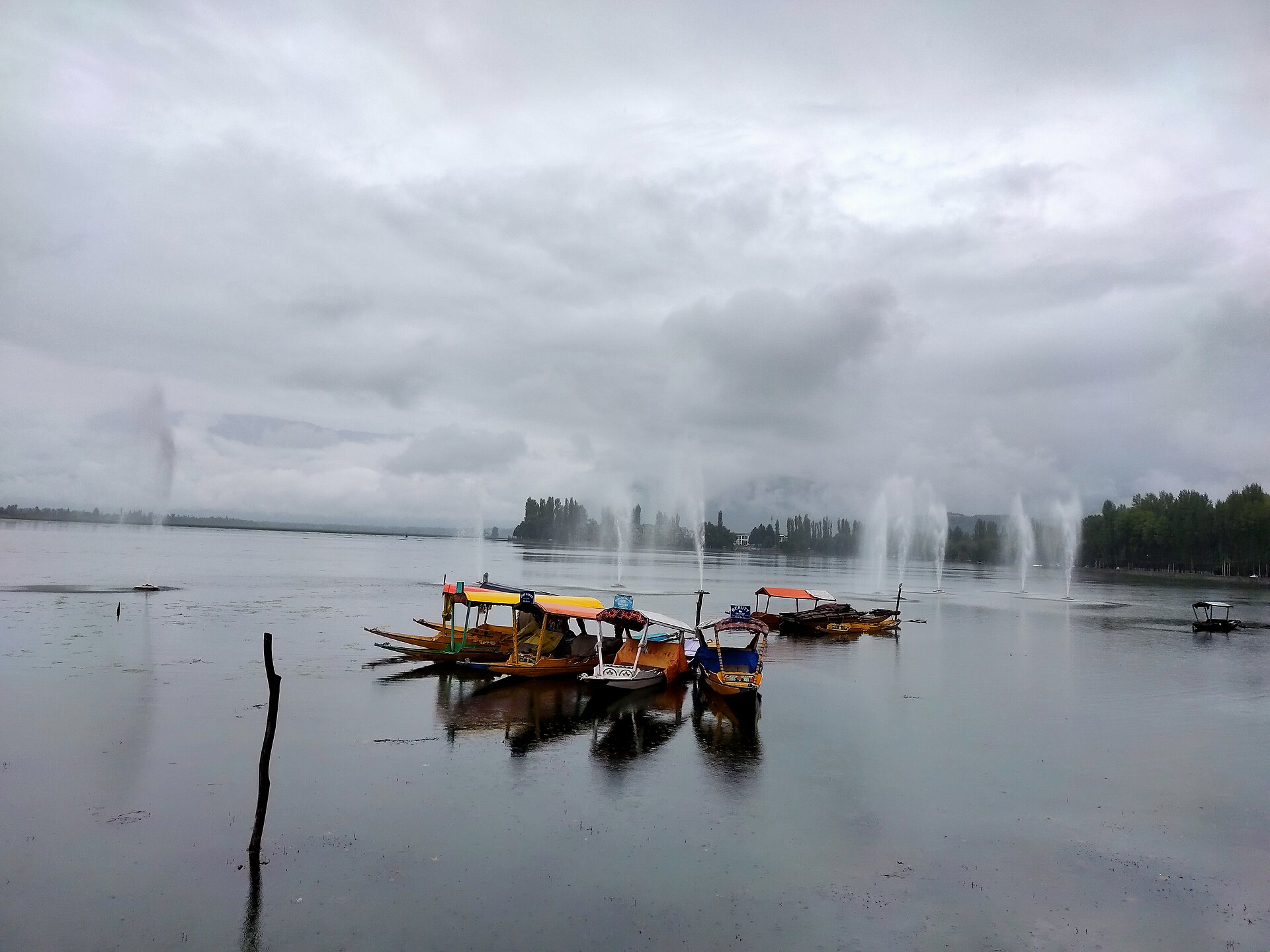
Srinagar offers a gentler end to the list.
As September progresses, the intensity of summer begins to soften and Kashmir starts edging towards autumn. Dal Lake settles into a quieter mood, gardens become less frantic and the first hints of seasonal change begin appearing across the landscape.
This is not yet the dramatic blaze of deep autumn, and it should not be sold as though every chinar tree will already be bright red. The beauty lies in catching the transition.
Spend the morning on Dal Lake rather than treating a shikara ride as a fifteen-minute photo opportunity. Walk through the Mughal gardens, explore the older parts of Srinagar and leave space in the itinerary for the kind of unstructured afternoon that modern travel plans seem increasingly determined to eliminate.
As with any trip to the region, travellers should check current local conditions and official travel guidance before departure.
The Real Luxury Is Arriving Before Everyone Else
That may ultimately be the greatest advantage of post-monsoon travel.
The weather is not always perfect. A viewpoint may disappear behind a cloud. Your carefully planned sunset might never materialise. Mountain routes may require an extra check before leaving and an unexpected shower may rearrange the day.
But perhaps travel has become too obsessed with perfection anyway.
Peak season gives us predictability, but it also gives us traffic, higher room rates, crowded viewpoints and the peculiar experience of travelling hundreds of kilometres only to discover everyone else had exactly the same itinerary.
The best post-monsoon destinations in India give you something messier and often far more memorable: waterfalls that actually contain water, mountains wearing clouds, lakes refreshed by rain, fields at their greenest and destinations briefly caught between one version of themselves and the next.
October and winter will arrive soon enough. The skies will clear, hotel calendars will fill and everybody else will eventually show up.
For a few weeks, though, the rains have left India looking spectacular.
The trick is getting there before everyone else does.
Read also
- Skip the Flight This Summer: The Serai Resorts and Road Trip Escapes from Bengaluru and Mysuru
- Jet, Set, Glow: Your Ultimate Travel Skincare Guide