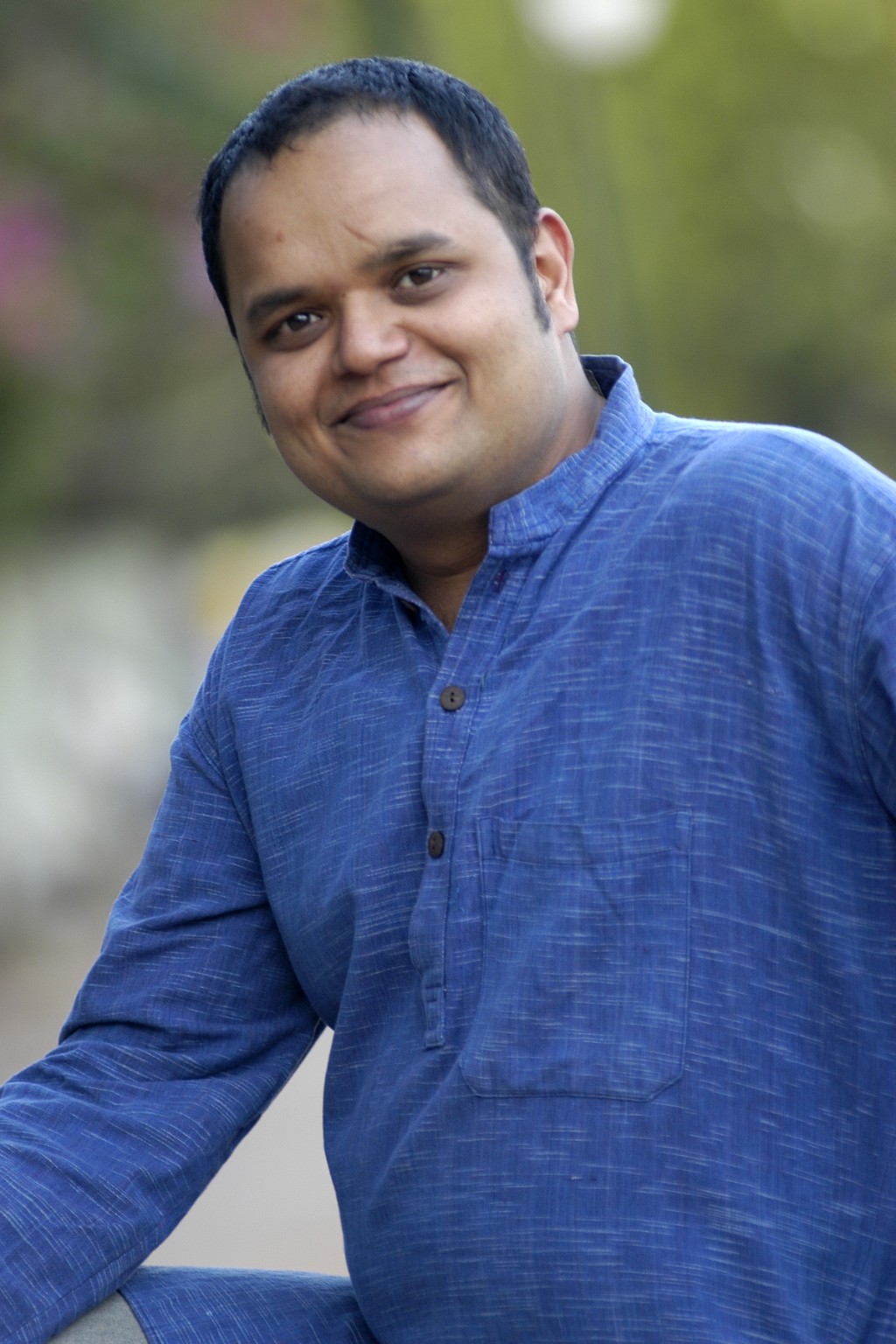
From borrowed rehearsal rooms and backstage chaos to nine years of running Kala Soudha, the actor and theatre-maker looks back at the people, risks and glorious madness behind Prakasam’s silver jubilee.
For audiences who know him as Paddu from Panduranga Vittala, P. D. Sathish Chandra is a familiar face with a punchline never too far away. But ask him about Prakasam, and another side emerges: a director fascinated by creative danger, a cultural organiser acquainted with spreadsheets and sponsorship requests, and a theatre-maker who still remembers the collective breath backstage before the third bell.
Founded in 2001, Prakasam—Pradarshana Kalaa Samsthe—grew from a group of friends making theatre into a platform for productions, workshops, music and emerging talent. Its journey includes nine years of managing Kala Soudha, a chapter that helped give Bengaluru’s performing arts community an accessible place to rehearse, experiment and find an audience.
Yet Sathish Chandra tells this history with little interest in ceremonial grandeur. He remembers the family hall lent free of charge, actors doubling as ticket collectors, and the families whose dining tables disappeared beneath scripts. His stories are funny, affectionate and sometimes pointed, revealing how much work goes into keeping the doors open.
As Prakasam celebrates 25 years, he speaks to Balcony Stories about the freedom theatre gives him, the lessons younger artists have taught him, and why the next generation should inherit the organisation’s audacity.
Prakasam turns 25. What is the first memory that comes to mind when you look back at this journey?
The first thing that comes to mind is a Bengaluru where you could actually get from a rehearsal in Basavanagudi to a show at Ravindra Kalakshetra, Ranga Shankara or Alliance Française without ageing by three years in traffic.
When we started Prakasam, roughly around November 2001, we had zero capital and 100% misplaced confidence. I remember the smell of damp backstage curtains and the sheer panic of our first production, where everyone was simultaneously an actor, set boy, light operator and ticket collector.
Looking back across 25 years—through hundreds of stage shows, musical evenings, dance showcases, festivals, especially nine years of managing Kala Soudha, and now taking our storytelling into film—the biggest takeaway is that survival in the arts is an act of joyful rebellion.
Algorithms change and attention spans shrink, yet there is still nothing quite like locking a few hundred strangers in a dark room and making them laugh or think together in real time.
What led you to start Prakasam in 2001, and how different is it today from what you originally imagined?
We were a bunch of kids—we preferred to be called that in those years—who were very passionate about creating stage work and trying to turn it into our profession. I was sure that theatre could run and pay the way it does in Kolkata or Mumbai.
So, when we were commissioned to stage a play and I had to put together a team to execute it, we were enthralled. We later realised that we got that project because no one else wanted to take it up—it was low-cost.
But we did realise that the fruit of the labour is not money, but the creative kick you derive from a production. This feeling was shared by most of the people who joined us after that.
In 2001, our grand five-year vision was simply to survive our next production without having to sell a kidney. If you had told me back then that this tiny experiment would go on to run a cultural hub like Kala Soudha for nearly a decade, stage everything from 5D horror plays to musical festivals like Swaraaga, conduct theatre workshops for BMTC staff, push a single play towards its 100th show, and branch into award-winning short films like First Ride, I would have asked what they were mixing in your juice.
We set out to build a theatre troupe; we accidentally built a cultural ecosystem—and, more importantly, a 400-strong family.
What were those early days like—the rehearsals, the money, the people and the excitement of putting up a show?
What money?
In those early days, if “passion” and “unpaid enthusiasm” were legal tender, we would have been on the Forbes list. Unfortunately, we were put in our place by the harsher realities of the world of performing arts.
Rehearsals happened wherever polite society would not kick us out—terraces, borrowed classrooms and dusty corners—fuelled by ₹20 chais and bun-butter-jam. I would like to thank my uncle, who let us use the small family hall in Gandhibazar free of cost for rehearsals.
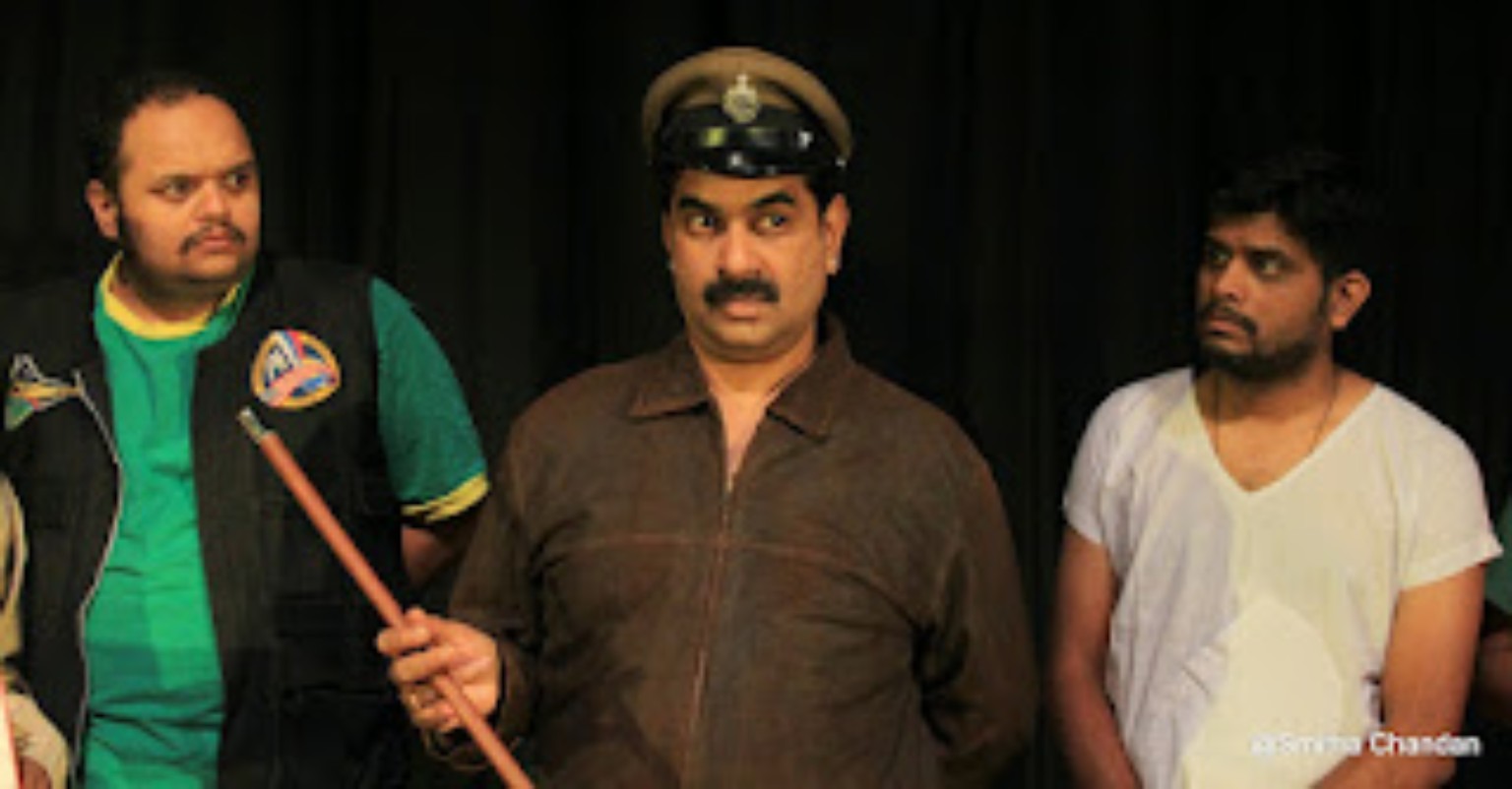
Nobody had a single designation. The lead actor in early productions like Ammavra Ganda or Bembidada Bhootha was simultaneously the set boy, light operator, poster-paster and the guy counting ticket bits at the gate.
I did enjoy tearing tickets at the gate. I loved the audience’s anticipation before the shows and their reactions afterwards.
Yet that poverty of resources created a richness of spirit. When you have no budget to hide behind, all you have is the story and each other.
That collective intake of breath in the wings, five seconds before the third bell rang—that high was, and still is, completely addictive.
Was there ever a moment when you almost gave up? What made you continue?
Only once. For the collective good of the team, which was bleeding, we gave up running Kala Soudha because of the unethical and cruel treatment by the BBMP authorities.
Otherwise, we have always known what to do, like trendsetters. We wanted an audience for Kala Soudha when we started running it, so we staged Hosabelaku.
In July, watching a sudden 5.30 p.m. Bengaluru downpour wash away the walk-in crowd encouraged us to create new productions, do readings of work that could be staged, and start writing new productions.
When the pandemic shut us down, we did Video Books, took workshops online, and bounced back with festivals like Refresh T20.
What stops you from quitting is realising that theatre is not a business you can close; it is a bad habit disguised as a calling.
All it takes is one stranger walking up after a show with teary eyes or an aching stomach from laughing to reset your madness for another five years.
Read also: “I Was Prepared for the Worst”: Shine Shetty on the Choices Behind the Fame
Many people recognise you as Paddu from Panduranga Vittala. What side of you does theatre bring out that television audiences may not know?
Paddu lived in people’s living rooms across 1,336 episodes over five years, which means vegetable vendors and traffic cops still expect me to crack a punchline the moment I roll down my window.
I owe immense gratitude to television—frankly, Paddu often paid the bills so that PD could afford his theatre habit!
But television makes you a comforting guest in someone’s home, whereas theatre lets me be the mad scientist in a laboratory.
TV audiences know the lovable, comic side of Paddu, while Prakasam brings out a restless, experimental director and writer who loves poking at darker, stranger truths—whether that is directing psychological dark comedies like Bogie and Gulle Nari, playing four different roles in an anthology like Katha Sangama, or experimenting with stage thrillers like Innondu Mukha.
On a TV set, you have the luxury of “Cut! Take two.” On stage, you are walking a tightrope without a safety net. Theatre brings out a ruthless discipline and an appetite for creative danger that a daily soap simply cannot contain.
To quote B. V. Karanth: you see a man as a 60-foot giant on the silver screen; you see him as a Lilliputian on TV. But to see a man as a man, you have to come to the theatre.
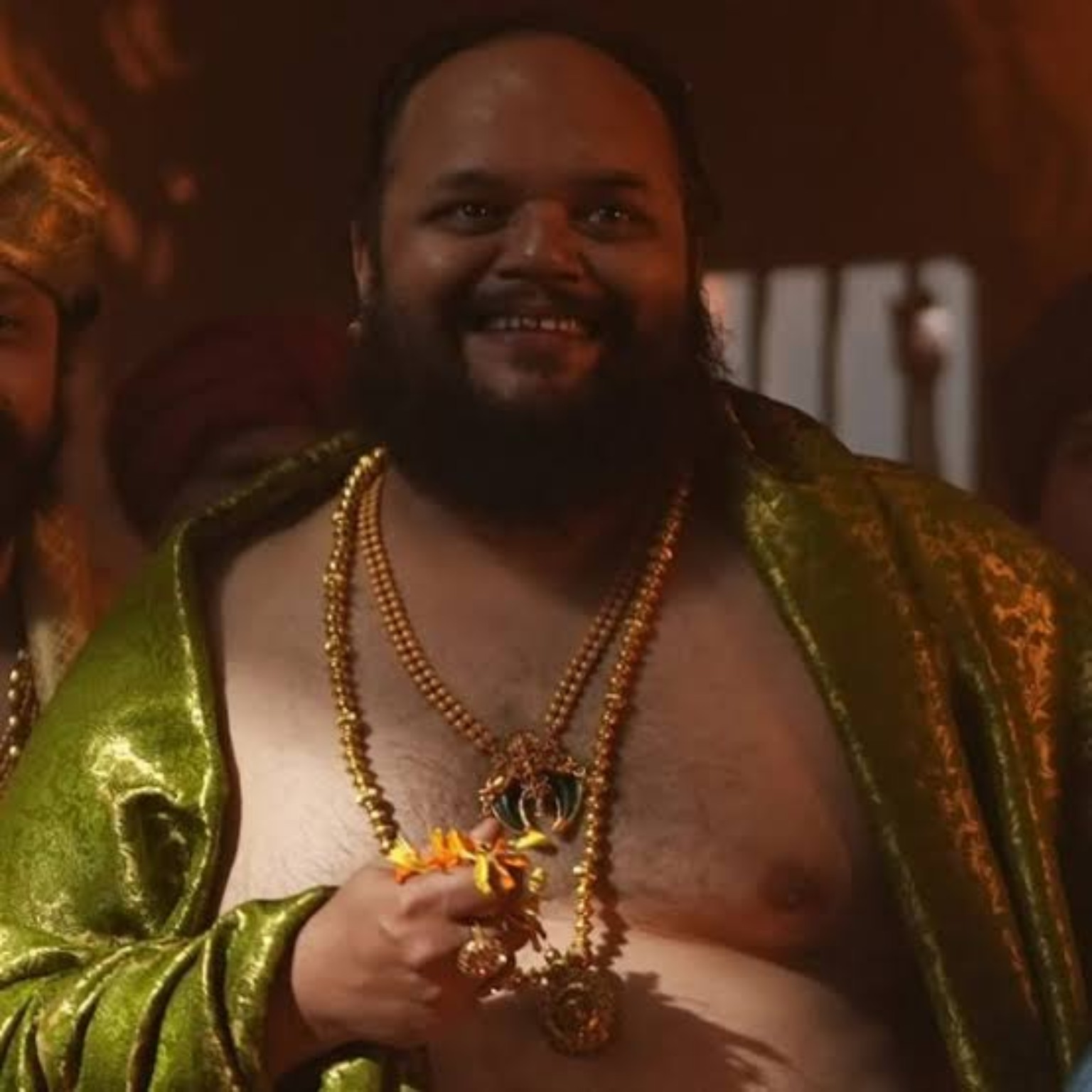
What did managing Kala Soudha mean to you, and which memory from that space stays closest to your heart?
Managing Kala Soudha from 2009 to 2018 was like adopting a hyperactive child who demanded constant feeding, maintenance and sleepless nights—and, in return, gave us the most fulfilling decade of our lives.
Before Kala Soudha came alive, young and experimental troupes in Bengaluru faced a brutal Catch-22: established halls were either too expensive or booked months in advance, and smaller spaces lacked basic acoustics and lighting.
Seeing Kala Soudha cross 1,000 performances within just its first few years proved how desperately the city craved a democratic, affordable home for the arts.
The memory closest to my heart is not a grand inauguration. It is those late Sunday evenings after back-to-back shows, when three different theatre groups would still be sitting on the stone steps outside, debating lighting cues and sharing bondas over tea.
Turning raw brick and concrete into a sanctuary where hundreds of newcomers lost their stage fright is a legacy no balance sheet can ever capture.
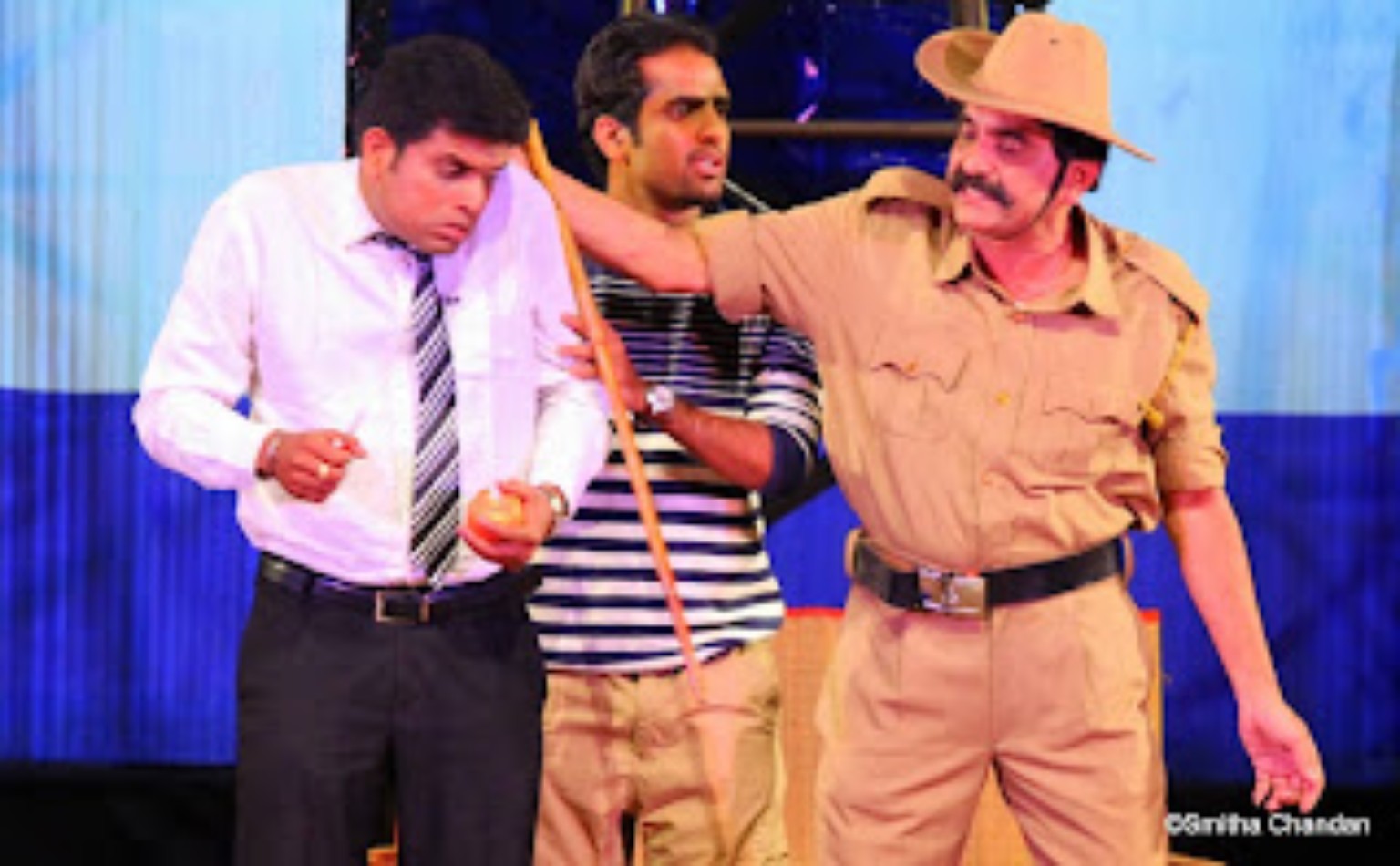
Prakasam was built to encourage young talent. Can you share the story of someone whose journey makes you especially proud?
We have always functioned like an artistic incubator—youngsters walk in looking for a weekend hobby to escape their IT jobs or college lectures, and accidentally walk out with a lifelong vocation.
I have a long list of people who have thanked me because Prakasam has given their lives purpose.
Take someone like Chandan Shankar, who used to be the nonstop chatterbox of our rehearsal room, handling script and sound cues during Bogie, and grew into writing and directing powerhouse plays for Prakasam like Hosabelaku, Bogie, 13 Margosa Mahal, Namma Nimmolagobba, Coronammana Krupe and Isila.
He now runs the very popular series Kannada Homes. The best compliment I received was when TNS took his name first while crediting his team for the success of Mundina Adyaya.
Which Prakasam production challenged you the most, and what did it teach you?
Without question, 13 Margosa Mahal.
In a moment of supreme overconfidence, we decided to stage Kannada theatre’s first-ever “5D” horror adventure to pull a younger, cinema-going crowd into Kala Soudha.
Here is the thing about horror on stage: in a movie theatre, you have CGI and Dolby Atmos to terrify people. On a live stage, if a ghost’s entry or a sound cue is delayed by two seconds, spine-chilling horror instantly turns into slapstick comedy!
Orchestrating wind, water, motion effects, tactile surprises and pitch-black illusions down to the millisecond aged our crew by a decade.
This production taught me one golden rule: an audience will readily forgive a low budget, but they will never forgive a lack of imagination.
I had never seen people screaming and running out of the auditorium like that; the play really did scare them.
We used to stage it only on Friday the 13th, as we needed the entire Thursday to set it up, and each production would cost us double the ticket revenue.
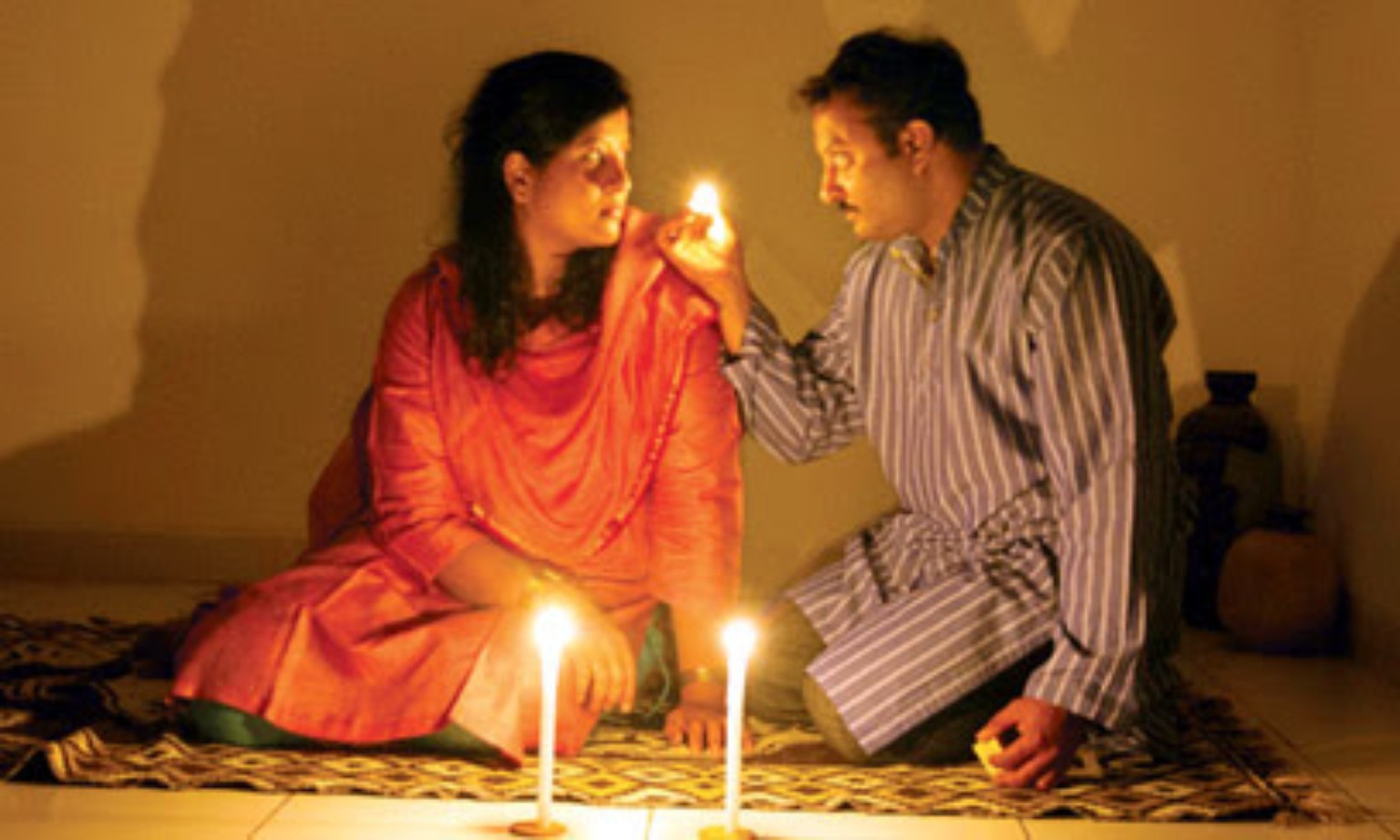
What is one unforgettable backstage incident that captures the spirit of your team?
We staged Rajendra Karanth’s Namma Nimmolagobba, which was directed by Chandan Shankar and had most of the stars from our team acting in it.
Poor Nagraj Venkateshappa had many scenes with me. I am notorious for making the actor opposite me uncomfortable by missing and messing up my lines on show day—I promise, not intentionally.
This play had three scenes where the Army Major, played by me, had to talk to the Journalist, played by Nagraj, and ask him, “Since you can write well, why don’t you write a novel?”
Unfortunately, I forgot what happened in the first scene and started recalling what happened in Scenes Three and Five. Nagraj went blank, poor guy.
Then Soumya, whose entry was supposed to come after five minutes of our conversation, entered and saved the play.
After the show, many people told the director and me that the casting was fantastic, but that Nagraj had not done justice to his character.
This is my favourite story to explain why I say, “Don’t do what I do; do as I say.”
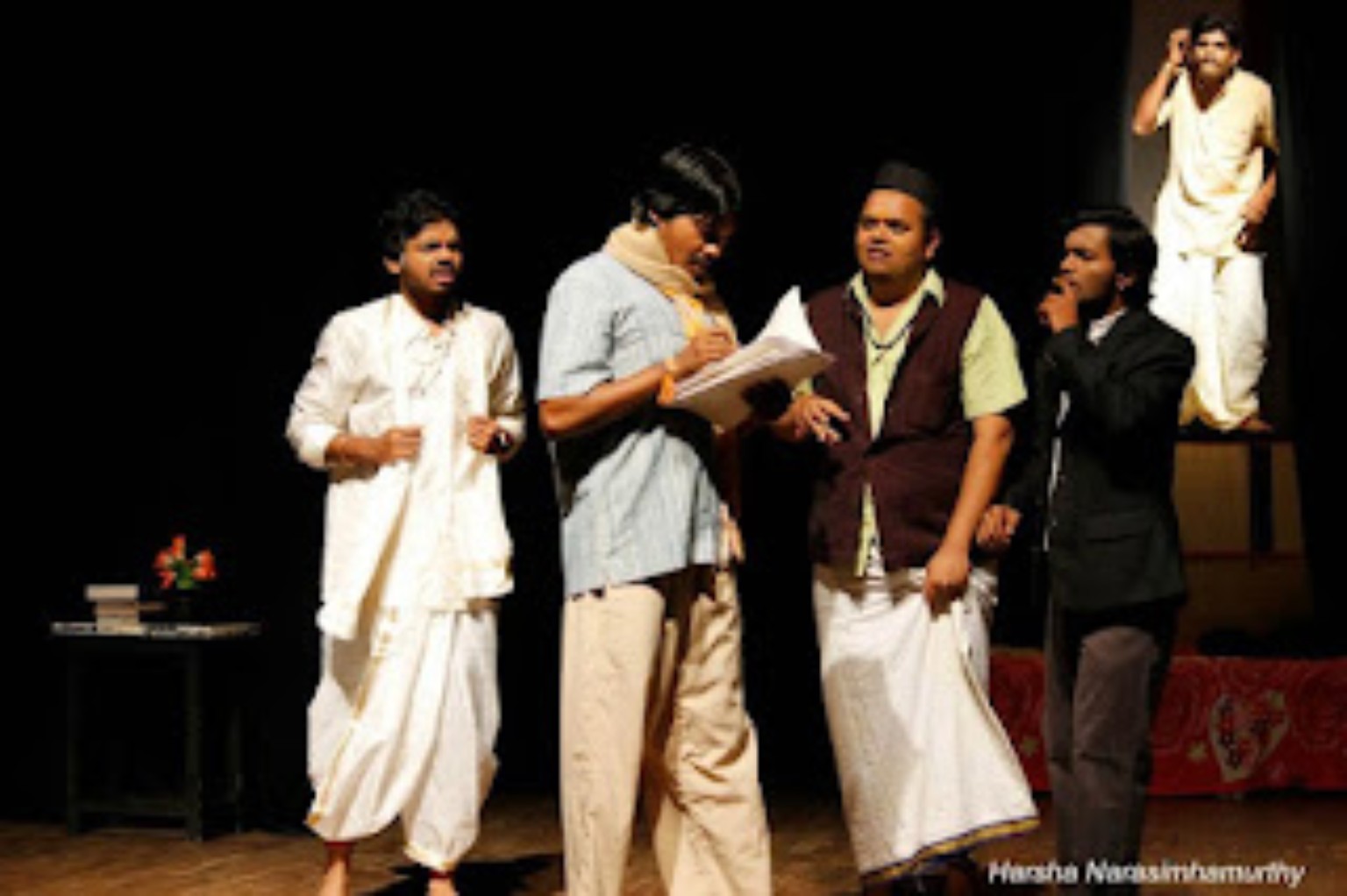
How has Bengaluru’s Kannada theatre audience changed over these 25 years?
In 2001, a director’s biggest competition was a coughing uncle in the third row or a TV serial.
In 2026, you are competing against dopamine-driven algorithms, 15-second reels, OTT giants and Bengaluru traffic that turns a six-kilometre drive to the auditorium into an epic pilgrimage.
Yet, paradoxically, that digital overload has made today’s theatre audience sharper and more appreciative than ever.
Twenty-five years ago, our audience was largely a loyal, traditional neighbourhood crowd. Today, when we stage shows at Ravindra Kalakshetra or Kalagrama, I see 21-year-old software engineers and students sitting shoulder to shoulder with 70-year-old literature buffs.
Because people spend 12 hours a day staring at glass screens, sitting in a dark room with 300 breathing humans has shifted from “routine entertainment” to a rare, sacred experience.
We have empty movie theatres, but mostly full houses for drama.
What does it actually take to keep a theatre organisation running—the work and sacrifices audiences never see?
The audience sees the two hours of magic under the spotlights and the bouquets at curtain call. They do not see the 200 hours of glorified manual labour, Excel spreadsheets and humble pie that happen before the doors open.
Keeping Prakasam active and innovative for a quarter of a century means being an artist for 10% of the day and a logistics coordinator, accountant, grant applicant and crisis manager for the other 90%.
It means storing trunks of musty costumes in your living room, swallowing your ego to chase sponsorships, navigating cultural compliance paperwork, and routinely funnelling your own earnings from films and television into productions just to keep the shows going.
And the biggest sacrifice is not even made by the artists on stage. It is made by our families, who have gracefully tolerated 25 years of missed family functions, ruined weekends and dining tables permanently buried under half-written scripts.
Read also: Medha Vidyabhushan on Music, Meaning and Her Journey Ahead
What have younger artists taught you, and have they changed the way you approach theatre?
First, they taught me a whole new dictionary where saying a script is “lit” has nothing to do with the lighting rig!
More importantly, Gen Z and millennial artists have completely dismantled the old-school “dictator director” model—and theatre is much healthier for it.
When my generation started out, if a director told you to jump, you did not ask why; you only asked where to land.
Today’s 20-somethings walk into a rehearsal and immediately ask, “Wait, what is my character’s psychological motivation here?”
They are allergic to artificiality, fiercely collaborative and visually sharp. Directing them—both on stage and in our recent short film First Ride—has taught me to strip away theatrical melodrama, trust silence over loud dialogue, and treat the rehearsal room as a democracy of ideas rather than a classroom.
Who are the people behind Prakasam whose contributions deserve more recognition during this silver jubilee?
Now, this question is impossible to answer. It is a collective contribution that has got us to this stage.
If I ever tried to take solo credit for Prakasam’s 25 years, a stage spotlight should rightfully fall on my head.
A theatre organisation is simply the sum of its stubborn tribe. Huge credit goes to mentors and friends, our lovely board of advisors, Kala Soudha staff and volunteers, brilliant directors, our musical pillars, and our relentless production and backstage warriors over the years.
Above all, this jubilee belongs to the unsung heroes whose names never appear in large font on posters: the light designers, makeup artists, box-office volunteers and auditorium caretakers who sweep the stage before we step onto it.
What have you planned for the silver jubilee celebrations, especially for someone discovering Prakasam for the first time?
We decided that a polite cake-cutting ceremony would be a betrayal of 25 years of drama, so we are turning the silver jubilee into a multi-course cultural feast!
If someone walks into Prakasam for the first time this year, they will not get a dusty history lesson—they will get pulled straight into the madness.
Friday, 30 October, at 7.30 p.m.: Mahapeede Mahablu—97th show at Kalagrama.
Sunday, 1 November, at 6.30 p.m.: First Ride—film screening.
Saturday, 7 November, at 6 p.m.: Swaraaga Geetharpane and anniversary celebrations at Yuvapatha.
Friday, 13 November, at 7.30 p.m.: Mahapeede Mahablu—98th show at Ravindra Kalakshetra.
Friday, 20 November, at 7.30 p.m.: Mahapeede Mahablu—99th show at Kalagrama.
Sunday, 22 November, at 10 a.m.: Annual potluck party.
Sometime in December: The 100th show of Mahapeede Mahablu.
Schedule note: The dates above form the anniversary programme shared for this interview, including events already held. Check Prakasam’s official events page for current programme and booking updates.
When Prakasam celebrates its 50th anniversary, what do you hope the next generation will have carried forward?
First, I hope I am still around in the front row, waving my walking stick and complaining that the spotlight is two inches off-centre!
By 2051, AI will probably be writing plays in three seconds, holograms might be doing the acting, and audiences might be streaming performances directly into their smart glasses.
No matter how wild technology gets, I hope the next generation of Prakasam fiercely guards one irreplaceable thing: the magic of live human sweat, imperfection and shared empathy.
I do not want them to preserve our old plays like museum artefacts; I want them to preserve our audacity.
As long as there are a bunch of slightly delusional dreamers under the Prakasam banner willing to tell honest Kannada stories, take foolish creative risks, and keep the green-room door wide open for the next nervous newcomer, the curtain will never come down.
Twenty-five years into Prakasam, Sathish Chandra’s most revealing memories belong as much to the edges of a performance as to the stage itself: the ticket counter, the wings before the third bell, the stone steps where conversations continued after a show. These are the places where a troupe became a community, and where newcomers found reasons to return.
His hopes for the next 25 years leave room for that community to change. The plays need not remain the same. Neither must the methods, the technology or the relationship between a director and a young actor. What he wants carried forward is the willingness to attempt something difficult—and to make space for someone who has never attempted it before. For an organisation celebrating its history, that is a generous way to imagine its future.