From Super Naati’s regional comfort food to Farmlore’s farm-based dining and Naar’s Himalayan focus, restaurants are encouraging a closer look at the ingredients, knowledge and traditions that give Indian food its value.
A particular chilli can define a dish. A local rice variety can connect a meal to a landscape. A souring ingredient can carry a flavour that a more readily available substitute cannot quite reproduce. These details sit at the heart of a conversation about regional Indian food and luxury dining: what makes an experience distinctive, and what makes it worth paying for?
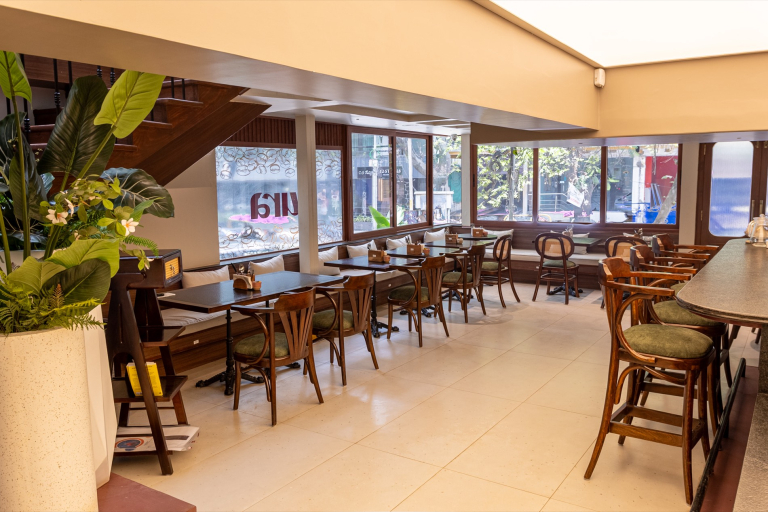
The conversation extends across different restaurant formats. At Super Naati in central Bengaluru, the menu includes donne biryani, akki roti, yenne badnekayi and a curry described as using Bannur mutton. These dishes offer recognisable regional reference points within an à la carte meal. Super Naati belongs in this discussion as an example of regional food’s everyday restaurant presence, rather than as an equivalent to an elaborate luxury tasting-menu experience. Its inclusion is a reminder that the culinary identity attracting attention in fine dining also has a life beyond it. Super Naati’s menu
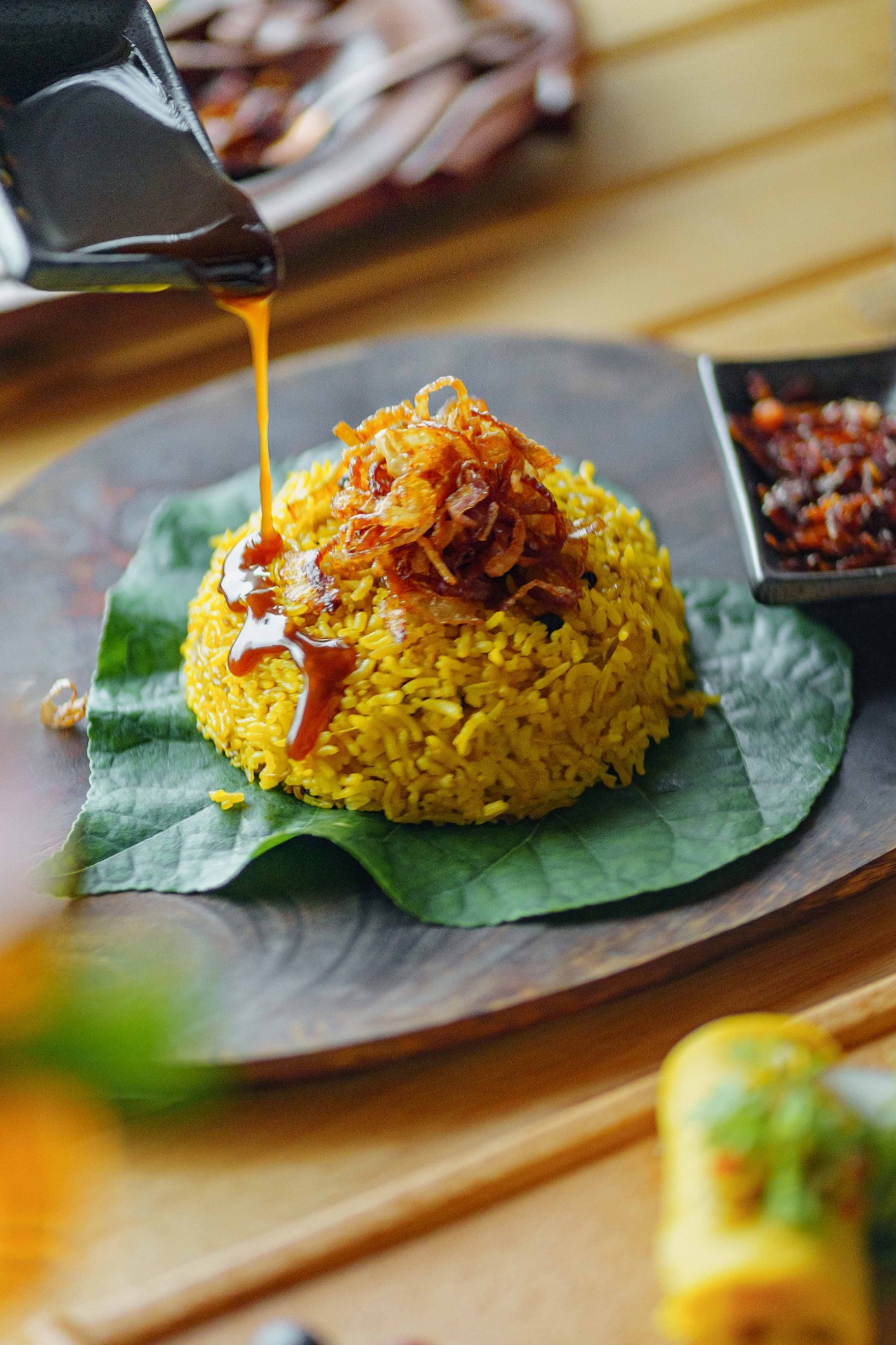
Mas Bai, a rice native dish at OZEN LIFE MAADHOO – LONU.
Farmlore approaches the connection between food and place through destination dining on a 33-acre estate in Bengaluru. Naar, in Himachal Pradesh, centres its identity on Himalayan produce, people and food traditions. At ITC Hotels’ Avartana, southern Indian flavours and ingredients inform contemporary tasting menus. Taken together, these different approaches suggest that regional identity can sustain both familiar meals and carefully choreographed dining experiences. Farmlore, Naar, Avartana
For the ten chefs, restaurateurs and hospitality professionals contributing to this feature, the opportunity comes with responsibilities. How much does sourcing really cost? Is diner curiosity translating into stronger business? And when a preparation associated with homes or communities enters a luxury restaurant, who receives the credit?
Read also: The Bengaluru Restaurants Actually Worth Caring About This September
Regional Ingredients and the Work Behind a Sense of Place
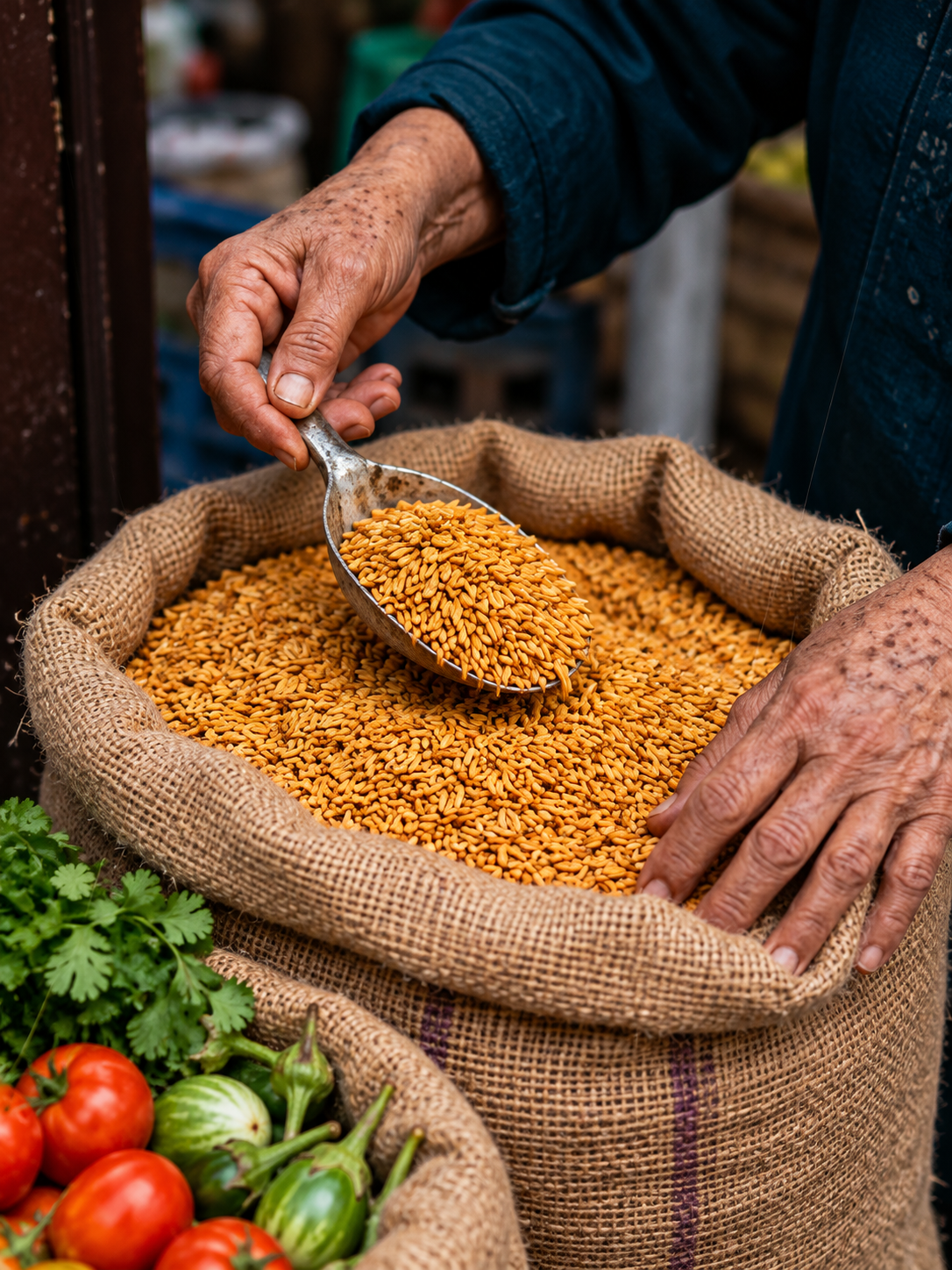
The cost of a regional ingredient is rarely explained by its purchase price alone. Seasonal availability, smaller harvests, transport and relationships with producers can all affect what reaches the kitchen. Chef Saurabh Arora, Partner at Continuum, describes a practical distinction between buying a commonly available ingredient and procuring a particular variety from its place of origin. “Regional ingredients can be harder and sometimes more expensive to source because they are not always easily available,” he says. A specific chilli, rice or spice may require greater effort and expense to secure.
Sandeep Kumar, Director of Culinary at Sheraton Grand Bangalore Hotel at Brigade Gateway, identifies consistency as another consideration. “A premium imported ingredient may have an established supplier and consistent availability, while a regional ingredient may come from a small farmer or local producer in limited quantities.” He points to heirloom rice, native millets, regional chillies and seasonal greens as ingredients that require additional planning. Differences between batches, storage requirements and wastage can contribute to their overall cost.
For Chef Anthony Rohan Parish, Corporate Chef at Shilton Hospitality, substitutions can compromise the purpose of a regional menu. “With regional ingredients such as kachampuli, fermented bamboo shoot or specific local herbs, authenticity also matters, so replacing them with more readily available substitutes can change the character of the dish.” Working with those ingredients requires coordination with suppliers and producers, alongside an acceptance that the right ingredient may not always be available on demand.
Farmlore provides a tangible example of a restaurant building its experience around a working landscape. Its estate includes fruit trees, a kitchen garden and cattle whose milk is used for preparations such as butter, ghee and yoghurt. The restaurant also describes a cycle in which kitchen waste returns to the soil through composting. The relevance to luxury dining lies in making the relationship between land and kitchen part of the experience, giving diners a context for what reaches the table. Farmlore’s farm

At Kahaani, Co-Founder Somshekhar Mirpuri sees seasonal uncertainty as part of the creative process. The restaurant explores lotus stem, or nadru/kamal kakdi, through two dishes that highlight different preparations, textures and spice profiles. “The cost isn’t always about the ingredient itself,” he says. “It can also be the cost of finding it, building relationships with the right suppliers, ensuring consistency, and sometimes accepting that an ingredient may only be available for a short window.”
Chef Anshul Desai, Head Chef at The Silky Elephant, describes a similar relationship between local supply and creativity. His examples include heirloom millets and native mushrooms sourced from nearby communities, whose distinctive flavours influence how the menu develops. “A humble regional grain, a traditional vegetable, or a spice grown in limited pockets can often bring far more character and authenticity to a dish than an expensive imported product,” he says.
Naar offers another expression of this thinking. Chef Prateek Sadhu’s restaurant describes its approach through the produce, people and stories of the Himalayas, with menus responding to six seasons. Its geographical focus provides the framework for culinary exploration. Rather than attempting to represent India in its entirety, the restaurant builds its identity through a closer engagement with one vast and varied landscape. Naar’s philosophy
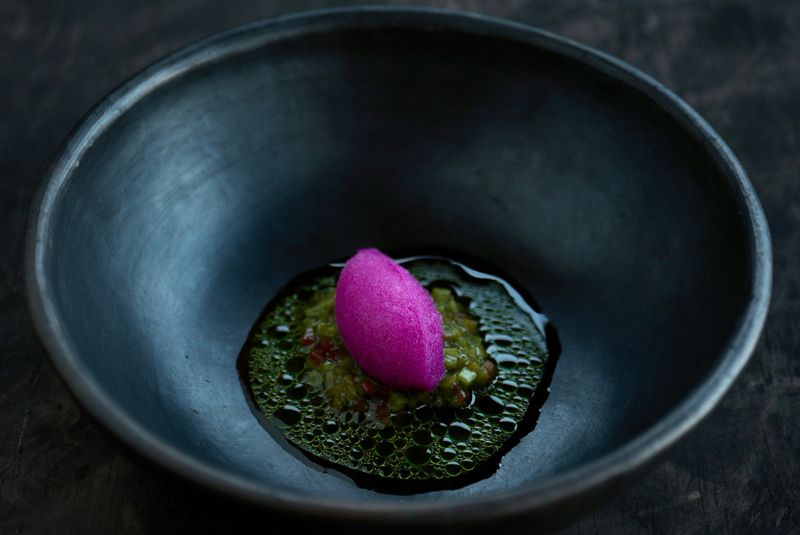
Serving regional Indian cuisine overseas introduces further complications. Deepak Lenka, Executive Sous Chef at OZEN LIFE MAADHOO, describes the task of delivering consistency while sourcing ingredients produced seasonally or in limited quantities. “At a destination resort in the Maldives, logistics add another layer of complexity because ingredients often travel through multiple stages before reaching our kitchen,” he says. Regional rice varieties, millets, lentils, traditional spices, cold-pressed oils and pickles can require considerable planning, encouraging chefs to shape menus around availability.
Yet local sourcing does not inevitably mean higher expenditure. Chef Devakumar, Executive Chef at Taj Bangalore, Bengaluru, offers a useful counterpoint. The hotel’s preference for produce from farms around Devanahalli supports its seasonal cooking and relationships with local farmers. “It is also often more cost-effective than sourcing conventional premium ingredients from distant markets,” he says. In the hotel’s tailor-made sit-down and experiential dinners, locally sourced ingredients meet international culinary techniques, creating a contemporary interpretation of regional flavours.
Chef Nishesh Seth, Executive Chef at Artezia Bengaluru, similarly places emphasis on adapting to availability. His kitchen has been working with a local supplier and incorporating more seasonal ingredients, with consistency of quantity and quality requiring particular attention. “You work with what is naturally available instead of forcing an ingredient to fit the menu.”
These experiences complicate the assumption that luxury must begin with an expensive ingredient. The value may lie in securing a specific variety, understanding its behaviour and preparing it with care. As Vijay Gabriel Dsouza, Corporate Director Food & Beverage at Essentia Hotels & Resorts, puts it: “True luxury lies in the story, provenance, craftsmanship, and authenticity behind what we bring to the plate.”
Why Diners Are Seeking Regional Indian Food Experiences
The commercial attraction of regional dining begins with curiosity. A focused menu offers guests an opportunity to encounter ingredients and preparations they may not know, while also drawing diners who have a personal connection to the cuisine. Kumar points to limited-period Kumaoni, Chettinad, Malvani and Awadhi menus as experiences that give guests a reason to visit. Their appeal, he observes, is stronger when the food is supported by context about its ingredients, traditions and interpretation.
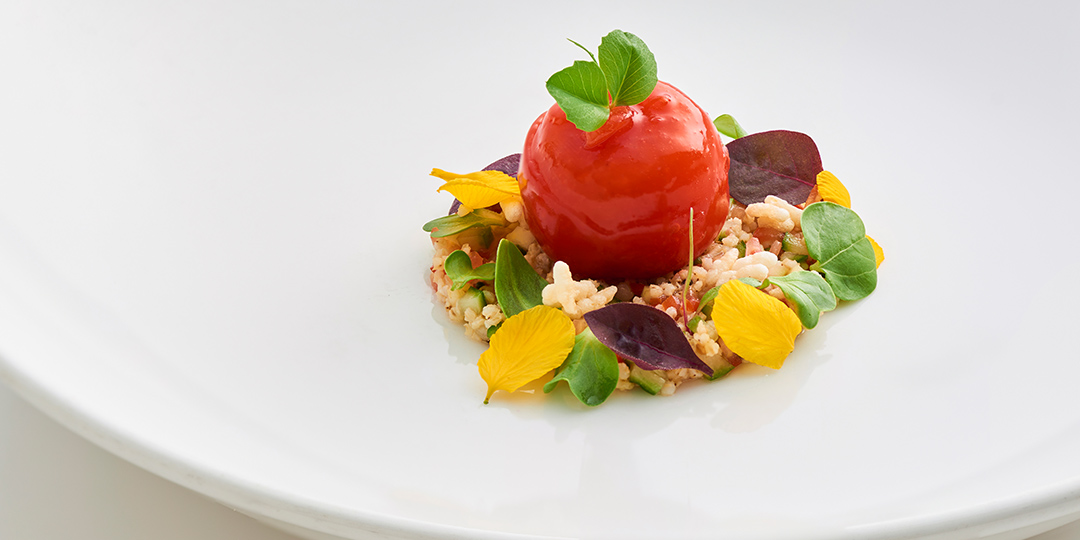
Avartana illustrates how a regional culinary foundation can support a structured fine-dining format. Its tasting menus build on the flavours and ingredients of southern India through contemporary techniques and presentation. The progression of courses gives the restaurant room to explore a culinary vocabulary in detail, demonstrating how regional food can shape the entire experience. Avartana’s dining concept
At Continuum, Arora reports interest in menus with a regional focus. “For example, when we introduce dishes inspired by a particular region or a regional food festival, guests are curious to try them and often come back looking for similar experiences.” Mirpuri sees scope for restaurants to build that interest into an ongoing relationship. At Kahaani, discovery can take several forms, from an individual dish to a curated menu or seasonal festival.
Keshav VS, General Manager at Maize & Malt – Craft Brewery & Kitchen, Bengaluru, believes curated formats can make exploration more approachable. “Food festivals and curated regional menus work particularly well because they give guests an opportunity to explore a wider variety of dishes without committing to a completely unfamiliar menu.” He reports that such experiences can encourage additional visits, repeat dining and greater engagement with the menu.
For Desai, the appeal also comes from the meeting of memory and contemporary interpretation. “Today, diners are increasingly seeking more than just a meal: they want the story, the culture, and the sense of place behind what they eat.” He describes familiar flavours presented in fresh ways as a source of emotional connection, observing that this can encourage loyalty and a willingness to spend more.
Lenka brings an international traveller’s perspective to the discussion. He sees curiosity extending towards coastal and tribal cuisines, alongside lesser-known dishes from Odisha, Bengal, Kerala, Goa, Kashmir and Rajasthan. In a resort setting, explanations of a dish’s origin, spices and traditional preparation can give the meal greater depth. “The next chapter of luxury Indian dining will be about going deeper into India’s regional cuisines—not making Indian food unnecessarily complicated.”
At Essentia Hotels & Resorts, Dsouza describes guests spending more time in restaurants during regional promotions, trying a wider selection of dishes and returning with friends and family. Chef-led explanations and traditional cooking techniques can extend the experience beyond the plate. Seth also sees storytelling as a way to build engagement: understanding where a dish comes from or why an ingredient matters can make diners more receptive to something unfamiliar.
These observations indicate interest, although they do not establish an industry-wide increase in revenue or average spending. The contributors did not provide comparable financial figures. Parish makes that distinction clear: “While we are still building enough data to quantify the impact on covers or average spend, the increase in guest interest, enquiries and engagement around regional cuisines has been noticeable.” The opportunity is evident in their accounts, but its scale will need to be measured through bookings, repeat visits, spending and sustained demand.
Read also: The Geometry of Green: Why The Silky Elephant is Elevating Vegetarian Fine Dining in JP Nagar
Premium Pricing, Cultural Credit and Respect for Roots
Growing interest brings scrutiny to the price of the meal. A dish prepared in homes or neighbourhood establishments may appear on a luxury menu at a considerably higher price. The contributors broadly agree that a premium can be justified by sourcing, research, skilled labour, service and the setting. What matters is that the restaurant can explain the value it adds while acknowledging the value that already exists.
Arora draws that boundary directly. “For example, if we serve a simple regional dish in a fine-dining setting, the additional value should come from better sourcing, skilled preparation, presentation and service, not just putting a higher price on it.” Devakumar similarly argues that pricing should reflect ingredients, craftsmanship and the complete experience, rather than the novelty of encountering a traditional preparation in a hotel restaurant.

The range of restaurant formats matters here. Regional cuisine can be expressed through an à la carte meal, a seasonal festival, a farm visit or a tasting menu. Each entails different costs and expectations. The price of the experience should not become a ranking of the cultural worth of the food itself.
Attribution is central to that responsibility. Naming a region is a starting point; acknowledging a particular community, family or cooking practice can provide a more accurate account of a dish’s origins. Seth calls for transparency when a restaurant adapts a preparation. Kumar advocates relationships with local farmers, producers and practitioners, while Keshav emphasises recognising and fairly valuing the knowledge of traditional cooks and communities.
Desai sees respect for those origins as an essential part of contemporary Indian cooking. “Proper attribution and recognition are essential; the story of the dish must remain intact even as we reinterpret it for a modern audience.” Changes in presentation and technique, in his view, should preserve the character of the original preparation.
Lenka also questions the assumption that prestigious additions automatically improve a traditional dish. “For me, luxury is not about adding caviar or truffle to every traditional dish. True luxury is when a guest experiences an authentic flavour, understands its origin, and leaves the table with a greater appreciation for the culture that created it.”
Parish offers a particularly clear reminder of the limits of restaurant authorship. “Putting a humble dish on fine porcelain does not make the restaurant its inventor.” He also challenges the suggestion that culinary knowledge begins when the restaurant industry takes notice of it. “Often, the ingredient was never forgotten by the communities that have continued to use it. We simply began paying greater attention to it.”
That distinction matters to the future of regional Indian food in luxury dining. Restaurants can introduce traditions to new audiences, support producers and create opportunities for skilled cooks. Doing so meaningfully requires accurate credit, thoughtful interpretation and fair compensation for the people whose knowledge contributes to the experience.
Mirpuri captures the principle behind that approach: “Regional Indian food deserves to be treated as luxury not because we have made it expensive, but because we recognise the knowledge, history, ingredients, and craftsmanship that were already there.”
The strongest case for regional Indian cuisine as luxury dining rests on that recognition. A memorable meal can reveal the character of an ingredient, the precision of a technique or a connection to place that the diner had not previously understood. Its lasting value depends on how carefully the restaurant carries that knowledge to the table—and whether the people and traditions behind it remain part of the story.