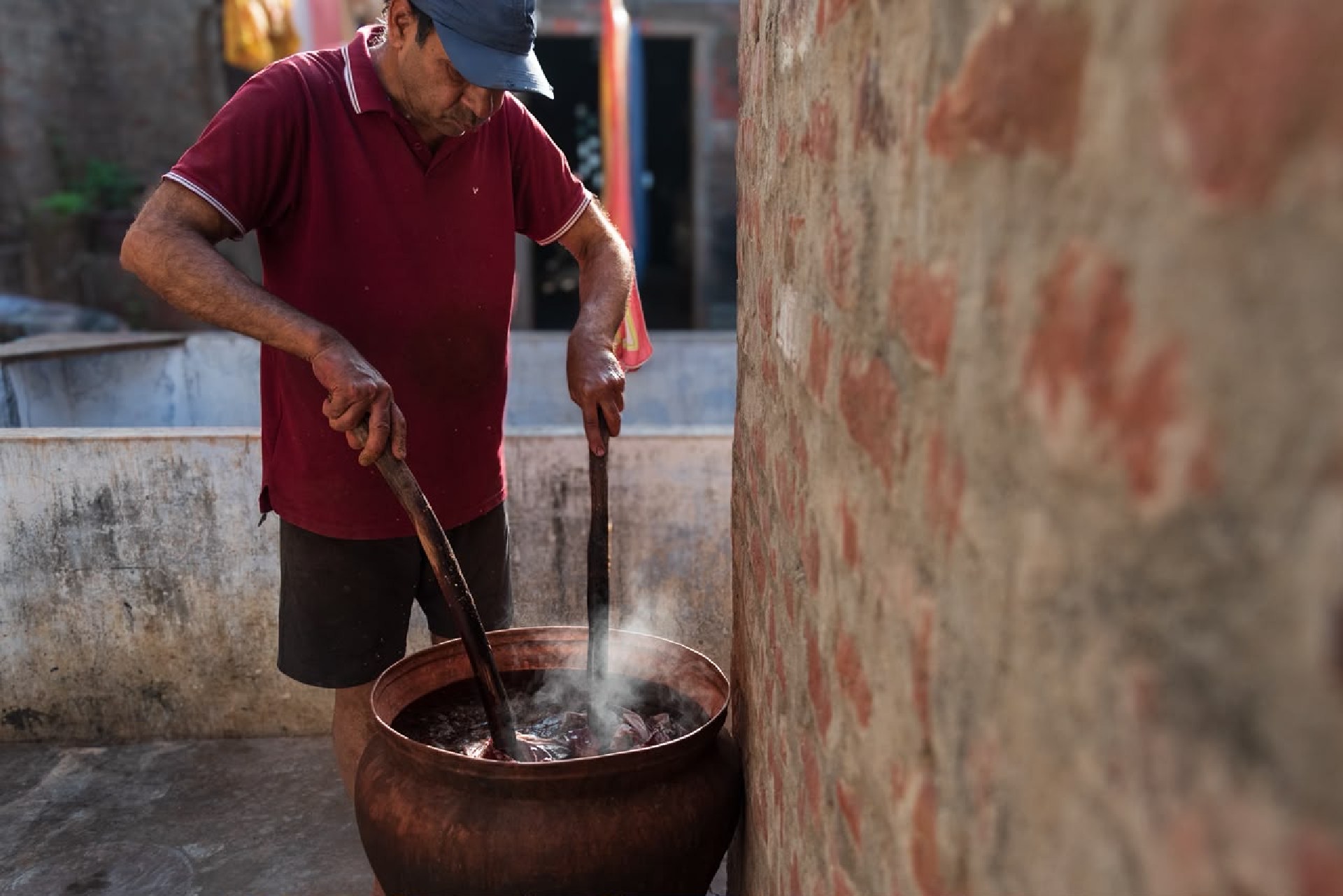
A rainbow is fleeting. In the hands of India’s craftspeople, its colours acquire a more enduring life: printed onto cloth, woven into silk, embroidered across a surface or held within a jewel. This October, Bengaluru will encounter that spectrum at Vastrabharana 2026, the Crafts Council of Karnataka’s flagship textile and jewellery exhibition. Returning for its 35th edition, the showcase takes its inspiration from Meghdhanush, the rainbow, inviting visitors to explore the many ways colour connects craft, geography and memory.
Scheduled from October 1 to 5 at Karnataka Chitrakala Parishath on Kumara Krupa Road, Vastrabharana will bring master artisans, textile revivalists, design practitioners and jewellery specialists together from across India. For Bengaluru’s textile enthusiasts and culturally curious visitors, it promises a journey through regional traditions within a single venue. The pleasure will lie as much in discovering how something is made as in finding something beautiful to take home.
Meghdhanush offers a compelling starting point for this edition. Across India, colour carries associations with celebration, landscape, community and everyday life. In a textile, its significance emerges through the material, the technique and the hands that shape it. By bringing these expressions into conversation, Vastrabharana proposes a way of looking at Indian craft as a connected spectrum, with each tradition retaining its particular character. Visitors will be encouraged to notice both the affinities and the differences.
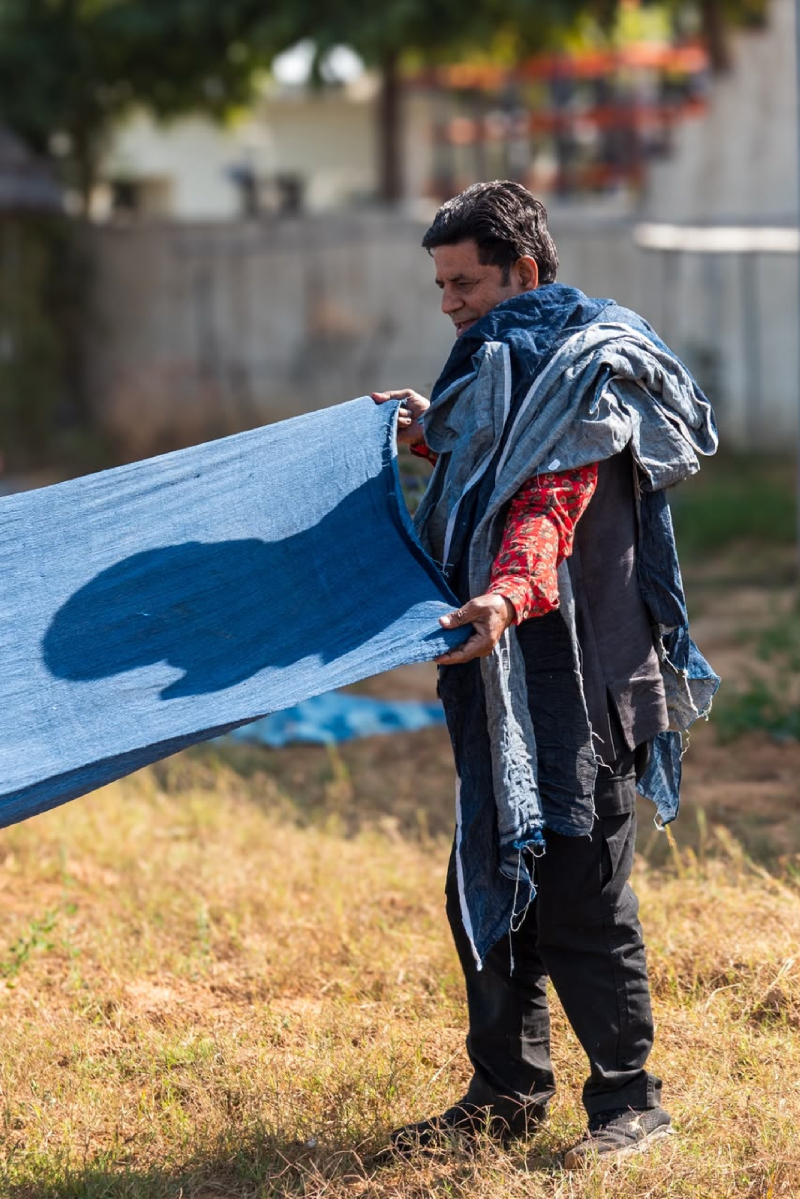
A major attraction will be 60 first-time label launches built around the theme. Presented alongside established craft knowledge and inherited techniques, these launches will give visitors an opportunity to see how makers interpret tradition for the present. For collectors, they offer the possibility of discovering an unfamiliar design voice; for newcomers, they provide fresh entry points into India’s textile landscape. Together, they suggest an exhibition with room for both continuity and experimentation.
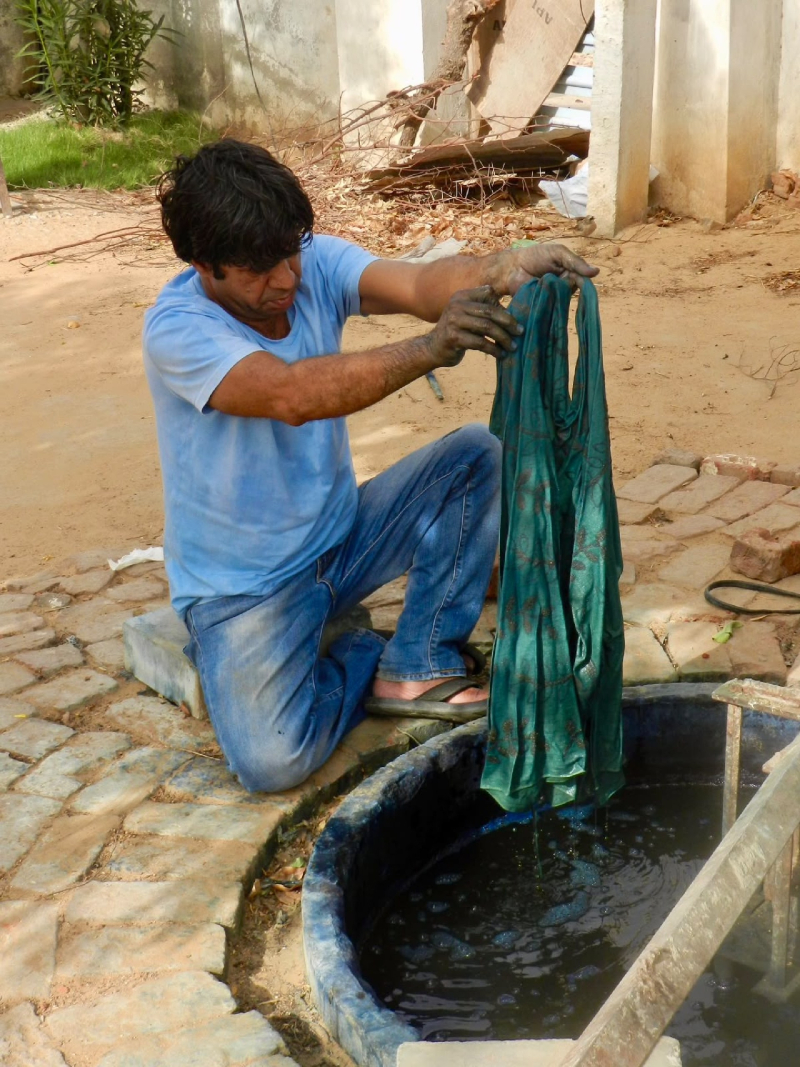
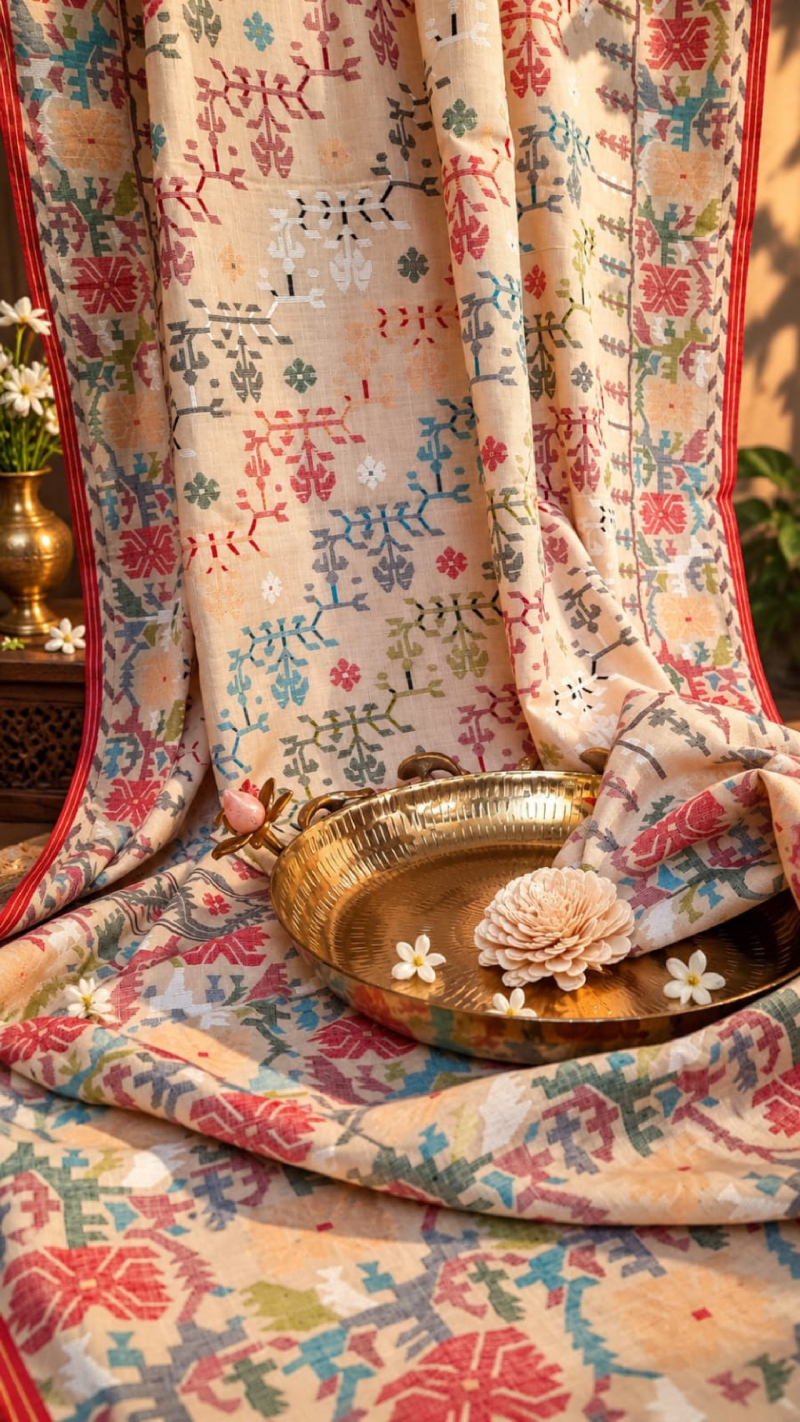
The textile offering spans a wide range of materials and practices. Ahimsa silks sourced through tribal communities will feature alongside Chikankari and Aari work, with Kotpad and Molakalmuru among the regional traditions represented. These names invite closer attention to the distinct processes behind a finished piece. An exhibition such as this allows visitors to move beyond an initial response to colour or texture and begin asking about origin, labour and the decisions that give a textile its identity.
Paithani, Banarasi, Chanderi, Maheshwari, Karnataka silks and Kanjivaram will extend that journey. Seen together, they offer opportunities to appreciate the breadth of India’s weaving traditions: the relationship between surface and structure, the possibilities of pattern, and the ways different fabrics fall and move. For anyone choosing a saree, these details are part of its lasting appeal. Vastrabharana’s setting encourages a considered encounter with cloth, allowing curiosity to guide the choice.
Read also: The Handwoven Revival: How Mysore Saree Udyog is Reclaiming India’s Heirloom Silks
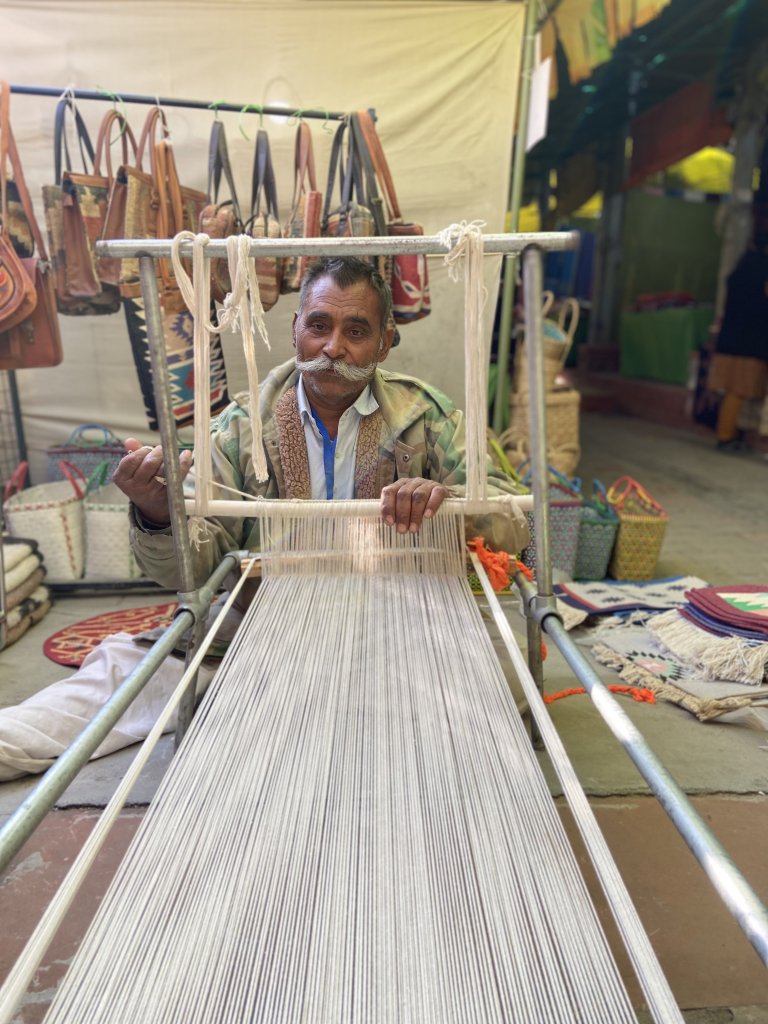
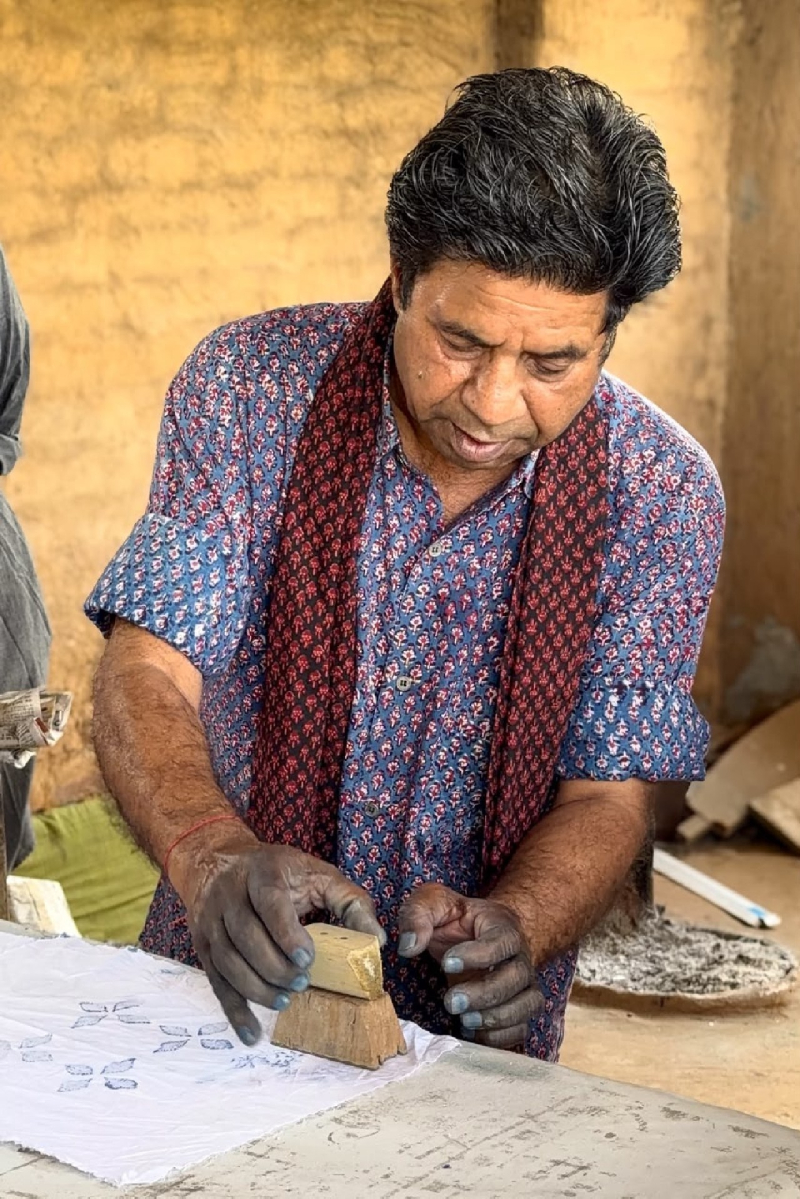
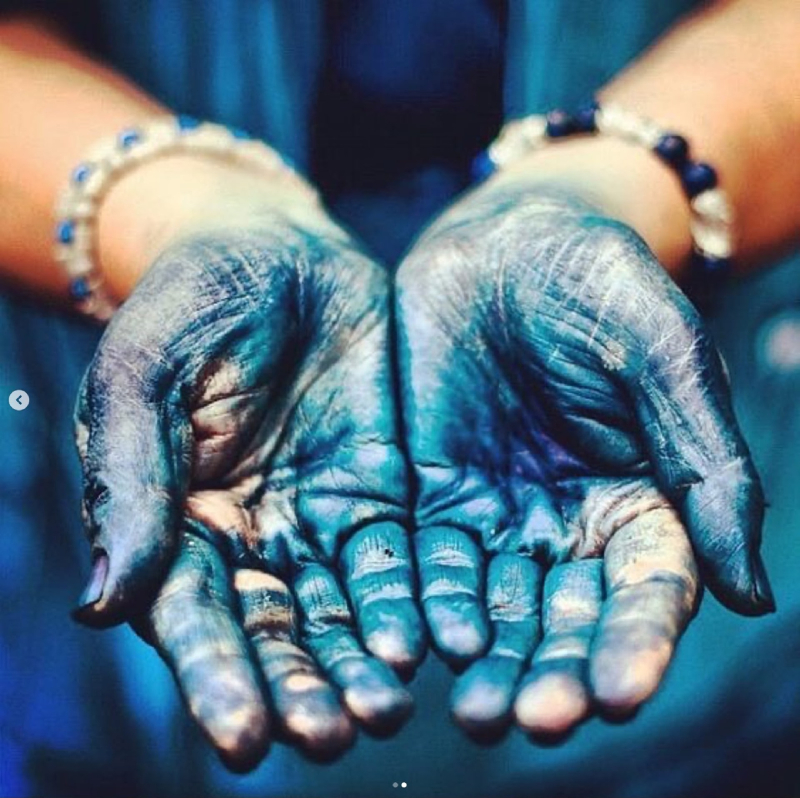
The presence of master artisans adds another dimension. Participants include a twelfth-generation Ajrakh printer, a UNESCO-awarded Bagh printer and custodians of GI-tagged textiles. Meeting makers brings the conversation closer to the work itself. Questions about a motif, a printing process or a regional practice can open into accounts of learning, inheritance and adaptation. Such exchanges offer visitors something that a label alone cannot convey: a sense of the people responsible for keeping specialised knowledge in use.
Jewellery will receive particular attention this year with the debut of Ratnangan — Jewels of Memory, a dedicated pavilion within the Meghdhanush spectrum’s Neela Lohitambari chapter. For the first time, Vastrabharana will place jewellery at the centre of its curatorial landscape in this way. The pavilion broadens the exhibition’s exploration of adornment, recognising the Indian jewel as a bearer of cultural memory, personal meaning and skilled craftsmanship.
Ratnangan will bring together distinguished jewellery houses, vintage collectors and contemporary studios. Its scope extends from Jaipur’s royal traditions and vintage archives to Karnataka’s traditional gold vocabulary, Jadau, tribal jewellery from Kutch and Odisha, temple-inspired forms and contemporary diamond design. This range creates possibilities for looking across periods and regions, considering how materials and motifs are reinterpreted, and how an ornament’s meaning changes as it passes between generations and wearers.
Participating names include Amrapali, Nanda Nahata, Abaran Timeless Jewellery, N.S. Jewells, Aham Jewellery, Shroff Studio and Flames of the Forest. Their distinct approaches will allow visitors to explore different relationships between craft, history, material and identity. The pavilion’s title, Jewels of Memory, provides an evocative thread through these encounters. Jewellery often accompanies life’s defining occasions, and its significance can deepen through use, inheritance and the stories attached to it.
Read also: Crafts Council of Karnataka Presents “KUTEERA 2024”: A Celebration of Indian Craft, Art, and Design
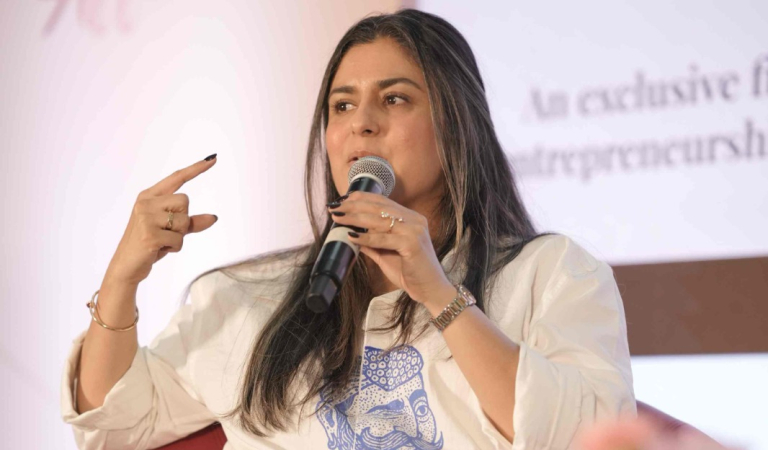
Guiding the exhibition are Convenor Susheela M and Co-Convenor Purvi Patel, a textile expert and revivalist. Their curatorial approach places provenance and knowledge at the heart of the experience. Who made an object? Where does its technique come from? What does its continued production mean for the community behind it? These questions give Vastrabharana an editorial direction, helping visitors understand the relationship between an appealing finished piece and the living practice that sustains it.
“India’s crafts are a living spectrum,” says Mrs Chandra Jain, Chairman of the Crafts Council of Karnataka. “We wanted visitors to experience not just colour and beauty, but the knowledge, skill and stories behind every textile and every artisan.” That intention speaks to the exhibition’s wider purpose. Appreciation becomes richer when visitors have the opportunity to connect what they see with the expertise required to create it.
Established in Bengaluru in 1967 under the patronage of Smt. Kamaladevi Chattopadhyay, the Crafts Council of Karnataka is a nonprofit organisation affiliated with the Crafts Council of India and the World Crafts Council. Its mission is to promote and support Karnataka’s crafts and sustain craftspeople’s livelihoods. Vastrabharana gives that work a public platform, bringing makers into contact with audiences whose interest and patronage can help these practices continue.
For those planning their October cultural calendar, Vastrabharana 2026 offers five days of discovery, conversation and considered collecting. The exhibition will be open from 10 am to 7:30 pm, October 1–5, at Karnataka Chitrakala Parishath, Kumara Krupa Road, Bengaluru, with free entry. Come with an eye for colour and time to listen. The piece that catches your attention may become more meaningful when you meet the person behind it.